
Workers across Europe are expected to push harder for pay rises as energy-driven price increases eat into their wages, and employers know it. A new European Central Bank survey of large euro zone companies found that 40% now expect higher wage demands or see a risk of them. That is double the 20% recorded in the previous survey in July.
The findings, published on Friday and reported by Reuters, show how the oil shock linked to the Iran war is moving from fuel pumps and heating bills into the debate over pay.
What the survey found
The ECB regularly polls large non-financial companies about prices, wages and investment. The latest round shows firms still expect wage growth to slow overall, from 3.2% last year to 3% this year and 2.9% next year. However, that slowdown now looks more gradual than companies predicted in the summer.
The survey also points to a squeeze on businesses that sell directly to the public. About 90% of consumer-facing companies said they could pass higher costs on to customers only partly or to a limited extent, because shoppers are trading down to cheaper options. Fewer than half of firms that sell to other businesses said the same.
Companies expect price rises to ease in the coming months, but many expect cost pressures to continue into next year. They cited expiring fuel hedges, rising agricultural prices and the delayed effect of earlier price increases.
Who is investing, and who is cutting
Investment is concentrated in artificial intelligence, cloud computing, data centres, defence and electrification, according to the survey. Software, engineering and renewable energy firms are benefiting from demand from public sector and healthcare clients. Chemicals, food and textile makers, by contrast, are cutting back.
That split matters for jobseekers. Sectors tied to AI, digital infrastructure and the energy transition look better placed to keep hiring than traditional manufacturing.
What it means for you
For workers, the survey suggests employers are more ready for tougher pay talks than they were a few months ago. It does not mean pay rises are guaranteed. The overall forecast is still for slower wage growth.
Some employers are heading in the opposite direction. Ryanair, one of Ireland’s best-known employers, said on Monday that pay freezes are among the options it is considering as rising fuel bills hit its profits, the Irish Times reported. That shows how the same cost pressures that push workers to ask for more can also make companies dig in.
For households, there is a second side to the survey. If consumer-facing businesses cannot pass on all their costs, shoppers may see fewer big price jumps on the shelves, but profit margins in retail and hospitality will be squeezed. That can affect hiring and hours in those sectors, which employ large numbers of younger and part-time workers.
There is also an interest rate angle. The ECB is watching closely for signs that energy-driven inflation is feeding into wages, because that can keep inflation high for longer. RTÉ noted that the bank held rates steady last week but hinted at a rise at its next meeting. For anyone on a tracker or variable-rate mortgage, a wage-price spiral is exactly what the ECB wants to avoid, and it is one reason rates could go up again.
What happens next
The ECB’s next monetary policy meeting is in December, when policymakers will have fresh inflation and wage data. A decision to raise rates would feed quickly into tracker mortgages and, in time, into other loans. Meanwhile, pay negotiations in both the private and public sectors are likely to lean heavily on the cost-of-living argument through the winter.
This article is general information, not financial advice.
Sources
- RTÉ (Reuters): Euro zone companies brace for higher wage demands – ECB (30 October 2026)
- Investing.com (Reuters): Euro zone companies brace for higher wage demands, ECB poll shows (30 October 2026)
- The Irish Times: Ryanair weighs cost cuts to counter high fuel bills (2 November 2026)
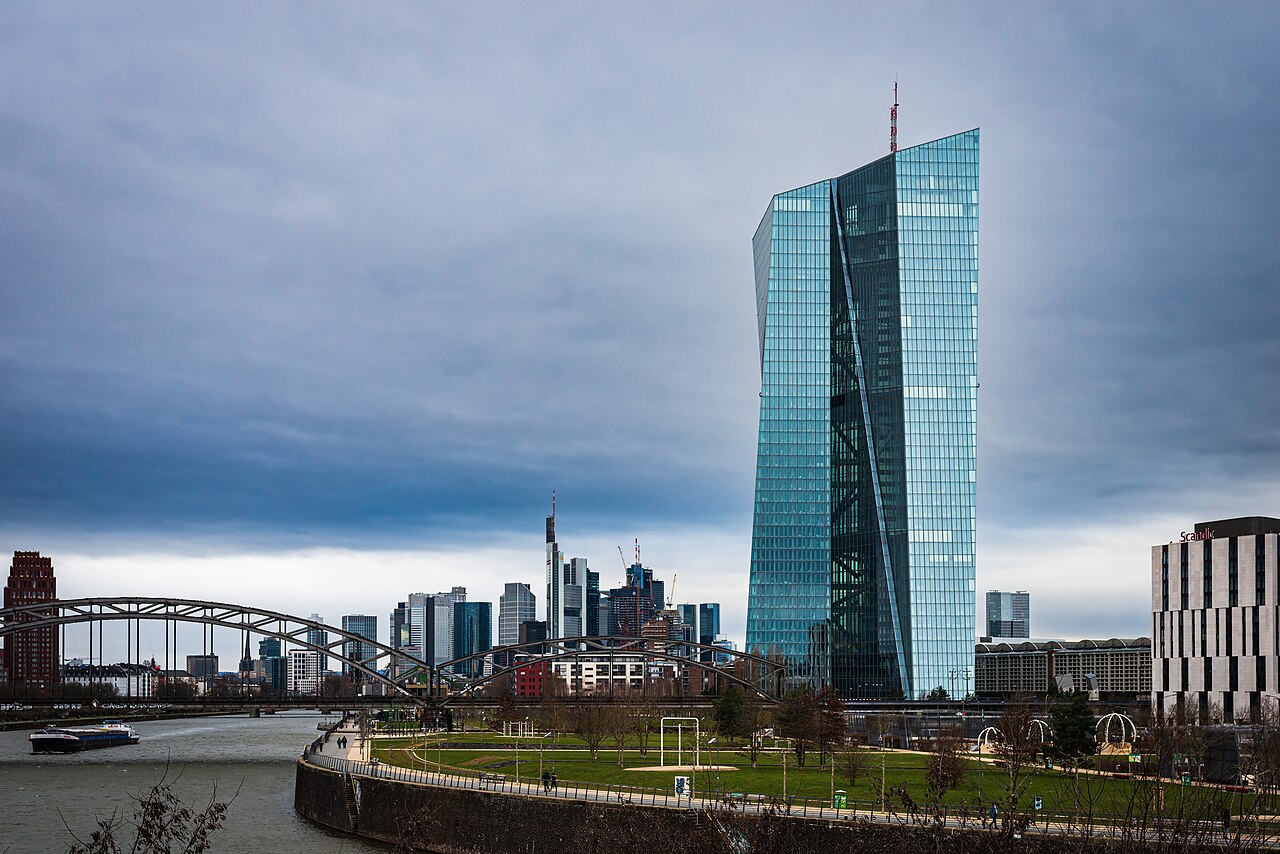
Featured image: European Central Bank Frankfurt Germany 18 Feb 2023 by Norbert Nagel, CC BY-SA 4.0, via Wikimedia Commons.
Leave a Reply