
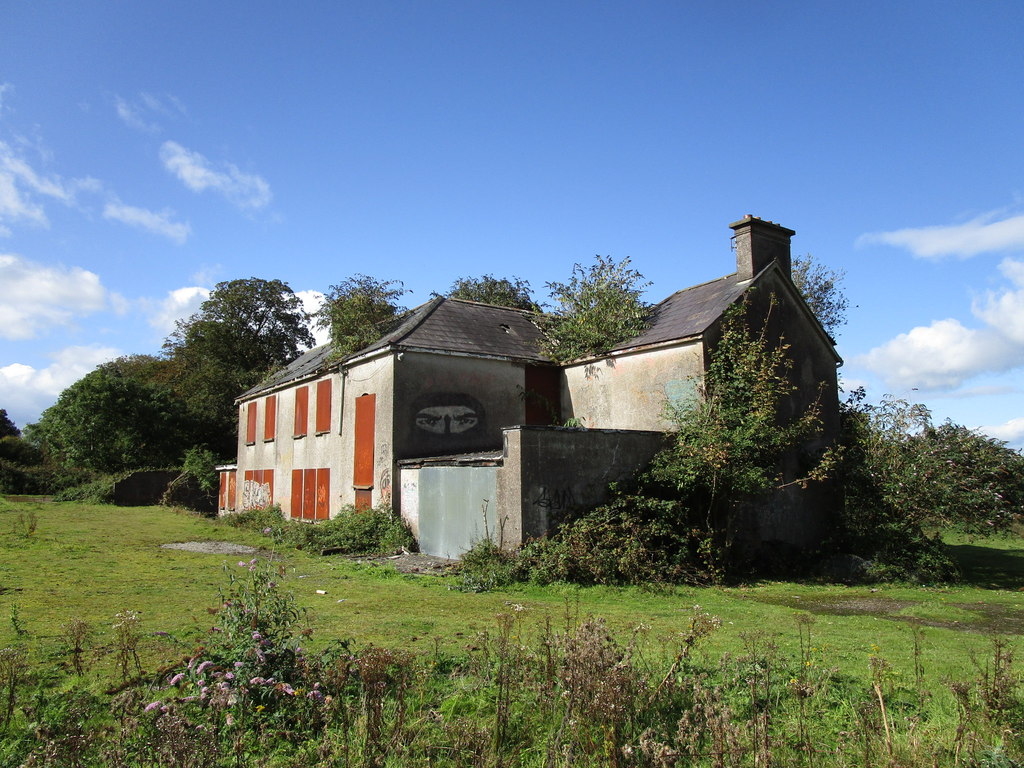
In the middle of a housing crisis, more than 2,700 homes are sitting derelict on official council lists across Ireland. Until now, most people had no easy way of finding them.
A new website, derelictproperties.ie, has gathered the derelict sites registers kept by local authorities into a single searchable database. It was built by software engineer Michael Gannon, who told The Irish Times he started the project before the Government announced a new derelict property tax in the Budget, because he wanted to show the scale of the problem.
What the website shows
According to The Irish Times, the site lists more than 2,700 derelict residential properties nationwide. (The site’s own homepage currently promotes “2,400+” properties that, it says, have never been listed on Daft or MyHome, so the exact total depends on which figure and which date you take.)
Gannon has run the numbers on what this stock could be worth. He estimates the properties would be valued at about €505 million if developed for housing, using valuations of between €365,000 and €510,000. The higher end reflects the fact that most of the buildings are in the big cities.
He also estimates that owners collectively owe about €49.5 million in derelict sites levies, including interest of 1.25% a month on unpaid amounts, and that 64 owners now owe more than their property is worth. These are his own calculations: councils do not publish how much individual owners owe, so the figures cannot be independently checked.
Gannon is critical of how councils have handled their registers, describing the current documentation to The Irish Times as fragmented and a mess, and calling for every council to publish the same information in the same format. He argues that some councils have done little to highlight or market properties they themselves consider derelict.
The stick and the carrot
The website arrives as the State prepares a major change in how dereliction is policed. Under the current system, owners of properties on a council derelict sites register face an annual levy of 7% of the site’s market value. But collection has been patchy.
New Finance Act legislation will hand the job to Revenue. From January, councils must maintain a derelict sites list and send it to Revenue, and a national digital register with maps is to be published annually, with the first due next year. However, owners have until mid-2028 to pay outstanding levies, with the first payments to Revenue not due until June of that year.
Minister of State at the Department of Housing John Cummins described dereliction to The Irish Times as a scourge on society, adding: “The stick is coming with the derelict property tax.”
The carrot is already there. The Vacant Property Refurbishment Grant offers up to €70,000 per property to bring a vacant or derelict home back into use, and investors converting space above shops into homes can get up to €135,000. Gannon estimates that 62% of the properties on council lists could qualify.
What it means for you
If you are hunting for a home or a renovation project, the site offers a way to spot properties that will never appear on the usual property portals. Being on a derelict register does not mean a property is for sale, and anyone interested would need to trace and approach the owner. But it does show where the opportunities might be, and which councils are holding long lists.
If you own a property that has fallen into disrepair, the message from Government is clear: the bill is going to get harder to ignore once Revenue takes over collection. It may be worth checking whether your property is on a register, and whether the refurbishment grant could help bring it back into use.
And for communities, including in towns and villages across the west, where a single boarded-up building on the main street can drag down a whole area, a public map could add pressure on councils to act.
What happens next
The next milestones are January, when councils must start sending their derelict sites lists to Revenue, and the first official national digital register, which the Government plans to publish next year before collection moves to Revenue. Payment deadlines for outstanding levies run to mid-2028. Expect opposition TDs to press the Department of Housing on how many derelict homes are brought back into use before then, and on why councils’ registers are so inconsistent.
Sources
- The Irish Times: New derelict buildings website lists 2,700 residential properties countrywide (30 October 2026)
- derelictproperties.ie: Vacant & Derelict Property Ireland, Council Register (accessed 2 November 2026)
Featured image: Derelict house – geograph.org.uk – 6278765 by Jonathan Thacker, CC BY-SA 2.0, via Wikimedia Commons.
Leave a Reply