
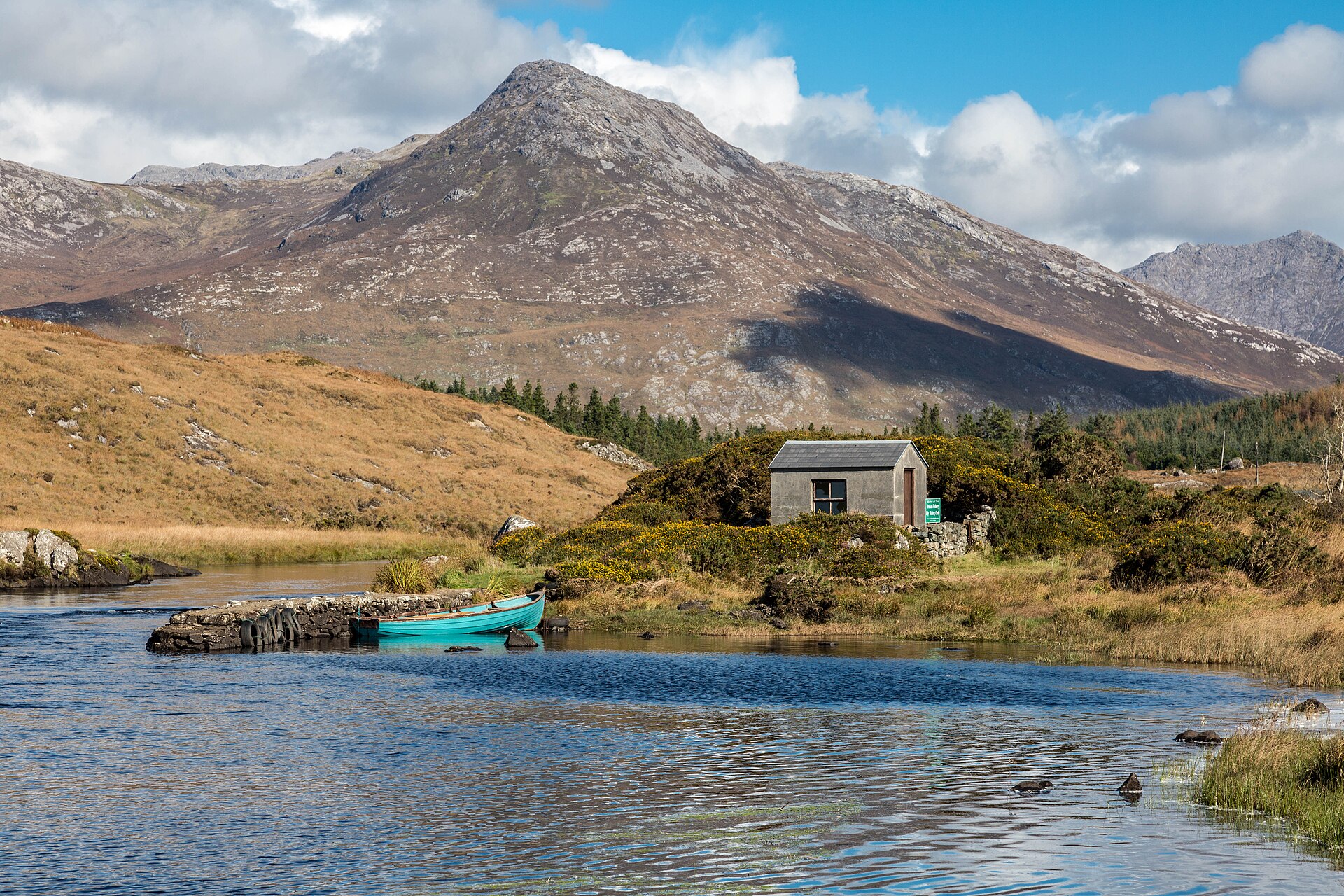
The salmon season on Connemara’s rivers has closed for another year – and with stocks under pressure, anglers face some of the strictest rules in the country. Here’s what every local fisherman needs to know before the rods come out again in February.
The season at Ballynahinch, Connemara’s best-known salmon fishery, runs from 1 February to 30 September. For 2026, the main Connemara fisheries were split into three groups by Inland Fisheries Ireland:
- Catch and release only: Ballynahinch and Lough Inagh; Screebe Fishery
- Open: Costello & Fermoyle Fishery; Cashla
- Closed: Lough na Furnace
Even on the open rivers, anglers were only permitted to keep fish up to 31 August. And salmon anglers had to return their logbooks and unused tags within seven days of their licence expiring, or by 19 October.
No sea trout in the bag – ever
One rule catches visitors out every year. It is an offence to kill any sea trout in the Galway, Connemara or Ballinakill fishery districts, including at sea from Hags Head in Clare up to Clew Bay, under the 2026 wild salmon regulations. Every sea trout caught must go back alive.
There is some good news. Sea trout have made a real comeback in the Lough Inagh area over the last few years, with catches reflecting the increase in stocks, according to Fishing in Ireland.
Ballynahinch: Connemara’s great fishery
The Ballynahinch system is the most extensive fishery in Connemara. It stretches from the estuary at Bertraghboy Bay north through the Inagh Valley and east almost to Maam Cross, with a web of loughs and short rivers draining the Twelve Bens.
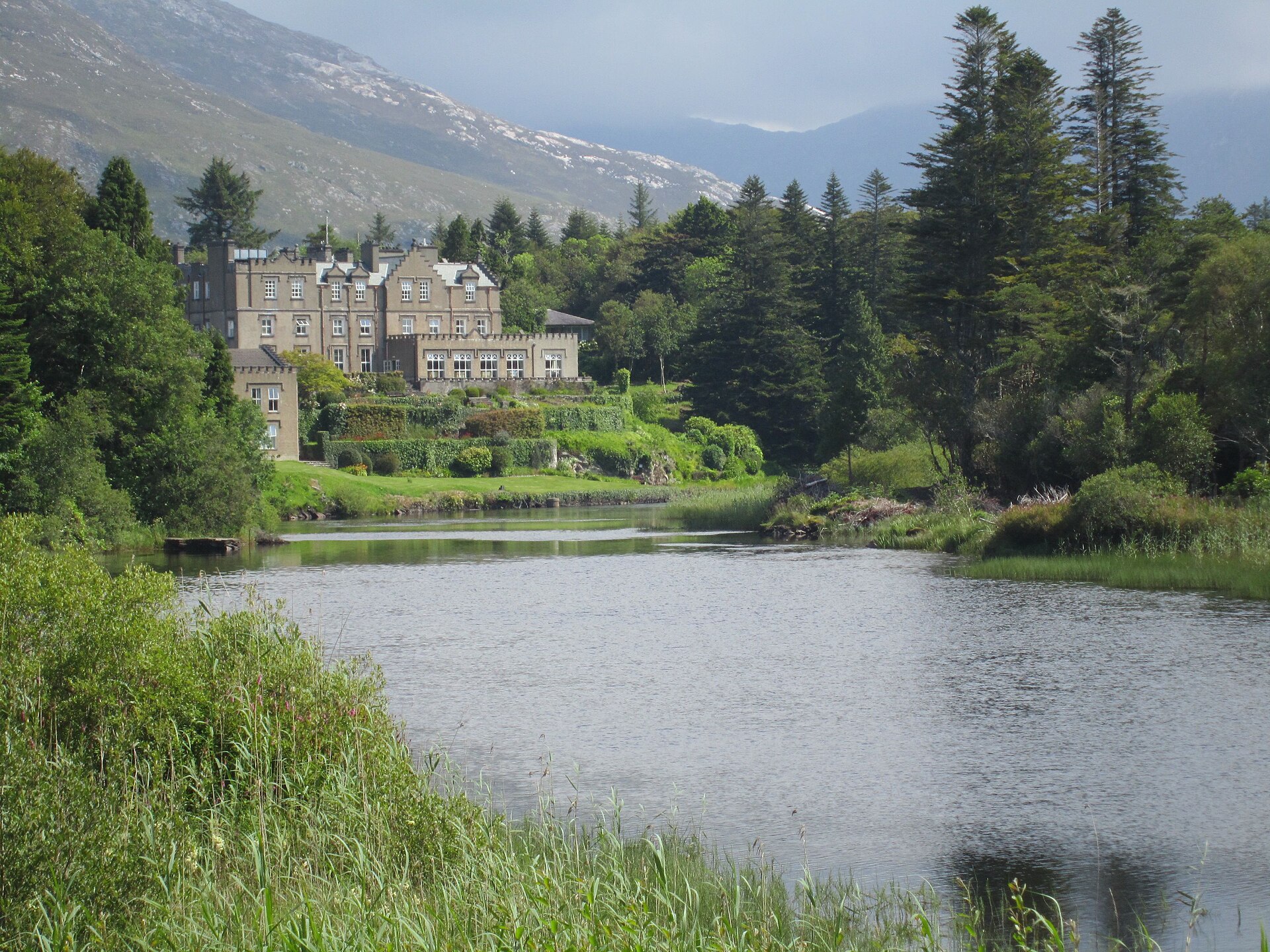
Ballynahinch Castle runs a strict catch and release policy for all species – salmon, sea trout and brown trout – and fishing is by fly only. Peak salmon runs usually begin in mid-May, with June and July the best months for sea trout.
READ MORE
➤ SMOKED TO PERFECTION: the Tír an Fhia salmon firm crowned Ireland’s best organic exporter
➤ TWO CENTURIES OF CONNEMARA: the Recess woman who started at Ballynahinch Castle in 1946
➤ SHARK SCARE: fisherman claims bull shark sighting off the west coast
Zero nets in Connemara
The pressure on wild salmon shows in the commercial rules too. Under the Control of Fishing for Salmon (Amendment) Order 2026, the number of draft nets allowed in the Connemara district is zero.
The fisheries officers are watching
Inland Fisheries Ireland has taken a hard line on poaching and illegal methods in Connemara. In one case, a Galway city man caught using worms and barbed hooks on the catch-and-release Ballynahinch River was ordered to pay a €500 fine and €750 costs at Clifden District Court, IFI said.
In another, two men were detected netting salmon on the Casla River; IFI seized a 15m monofilament net and two salmon. In lieu of a conviction, each was told to donate €350 to the Aran Islands RNLI and contribute €500 to IFI’s costs, IFI reported.
IFI’s Galway regional director, Dr Rachel Cooper, said at the time that illegal netting is a threat to a protected species “which has been in serious decline”.
Before next season
- Buy your Connemara district salmon licence and check each fishery’s status for 2027 before you fish.
- Barbless single or double hooks only on catch-and-release fisheries – no worms.
- Every sea trout goes back.
- Report suspected poaching to Inland Fisheries Ireland.
For a region where the salmon and sea trout runs are part of the culture, the message from the rivers is clear: look after the fish, or there won’t be any to look after.
Sources: Fishing in Ireland / IFI, Inland Fisheries Ireland, Ballynahinch Castle