
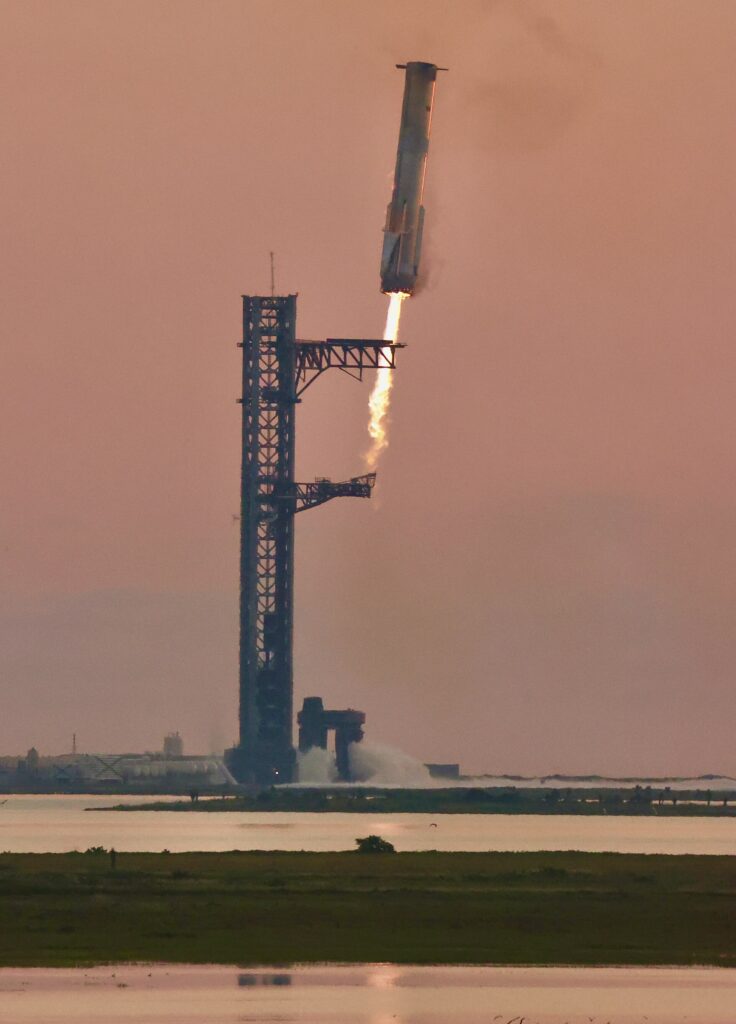
It came out of the clouds sideways, lit three engines, swung upright and was plucked out of the sky by a pair of giant steel arms. SpaceX has caught a Starship spacecraft returning from orbit for the first time, a feat no company has pulled off before.
Ship 42, the 52-metre upper stage of the biggest rocket ever built, was caught by the launch tower’s “chopstick” arms at Starbase in south Texas at about 9.20pm Irish time on Saturday, after roughly 22.5 hours and 14 orbits of the Earth, KeepTrack reported.
There was a catch to the catch. The Super Heavy booster that launched it on Friday never made it home. It aborted its own tower landing and came down in the Gulf of Mexico.
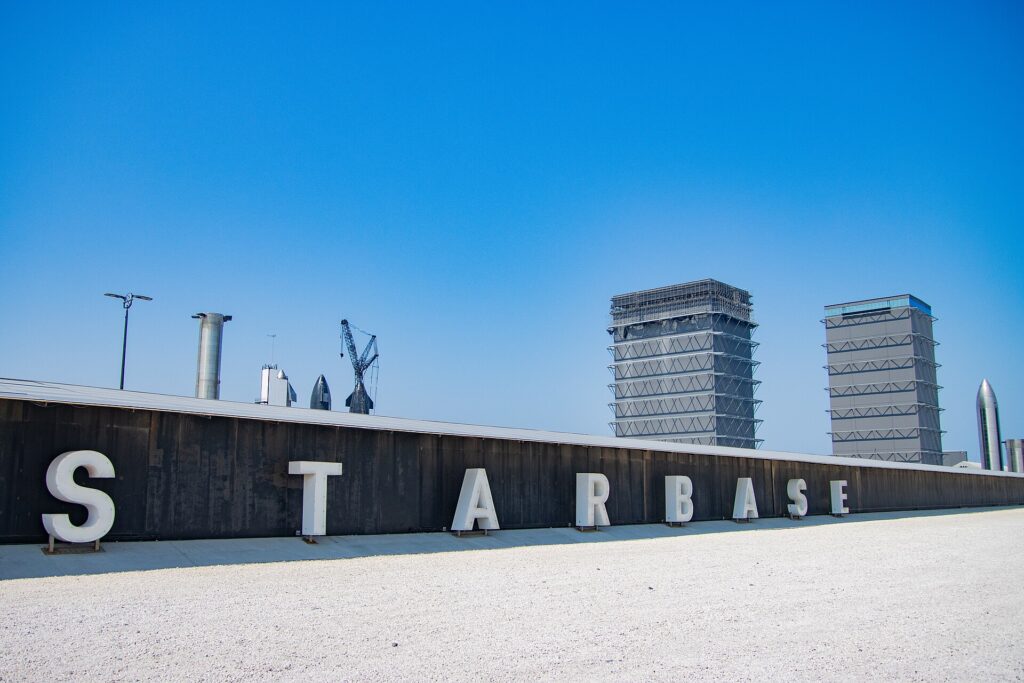
What happened on Flight 15
Starship lifted off from Pad 2 at Starbase on Friday 13 November. The ship separated from the booster, reached orbit and released 26 Starlink V3 internet satellites, Techbooky reported.
Three of those satellites carried cameras so SpaceX could photograph the ship’s heat shield before deciding to bring it home.
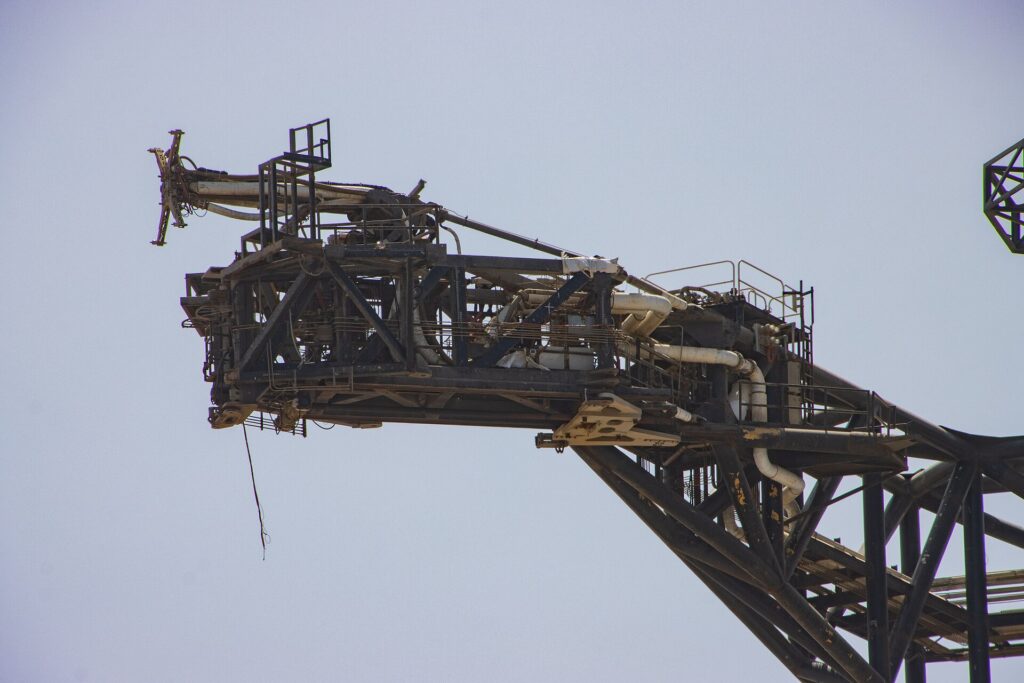
After a day in orbit, Ship 42 fired a single engine to drop out of orbit, survived the fiery reentry and flew back towards the Texas coast. The tower arms had just two small pins to grab, one on each side of the ship, each sticking out about a foot. The catch came less than a minute after the ship appeared through the clouds.
Why the booster was lost
The booster was meant to be the easy part. SpaceX had already caught Super Heavy boosters three times, starting with Flight 5 in October 2024.
This time, SpaceX said Booster 22 aborted its catch because of a guidance, navigation and control issue. It fell into the Gulf and exploded, and the company says the root cause is still under investigation, The Space Road reported. Space.com has tracked SpaceX’s explanations as engineers review the data.
Why this is such a big deal
Rockets have always been mostly thrown away after one flight. SpaceX changed that with its Falcon 9 boosters, which now land and fly again routinely. But the upper stage, the part that actually goes into orbit, has always been lost.
Catching Starship’s upper stage is the missing piece. If SpaceX can catch both halves on the same flight, refurbish them quickly and fly them again, the cost of reaching space could fall dramatically.
That matters well beyond Texas. A version of Starship is being developed as the lunar lander for NASA’s Artemis programme, meant to put astronauts back on the Moon. Cheaper launches also mean more satellites, from internet constellations to Earth-observation missions.
READ MORE
- FIBRE IN THE SKY: The Galway firm building the internet in space
- Aeroplane mode is dying: easyJet to put Starlink wifi on every plane
- Revealed: mystery frozen world found lurking beyond Pluto
The Irish angle
The space race is not just happening in Texas. Irish companies won a record €25.3 million in European Space Agency contracts last year, and Galway firm MBRYONICS is building laser terminals that let satellites talk to each other, part of Europe’s own effort to compete with SpaceX’s Starlink network.
Starlink itself already sells satellite broadband in Ireland, including to homes in remote parts of the west where fibre has yet to reach. More Starship flights mean bigger, faster Starlink satellites in orbit, and more pressure on Europe to keep up.
What happens next
Flight 15 has proved the hardest half of the problem can be solved. It has not yet proved full reusability.
The caught ship must now be inspected, refurbished and flown again before SpaceX can claim the dream is real. The company also needs to explain the booster loss and show it can recover both stages on the same flight.
SpaceX has not announced a date for Flight 16. On this showing, it will not be long.
Sources: KeepTrack, The Space Road, Space.com, Techbooky.