
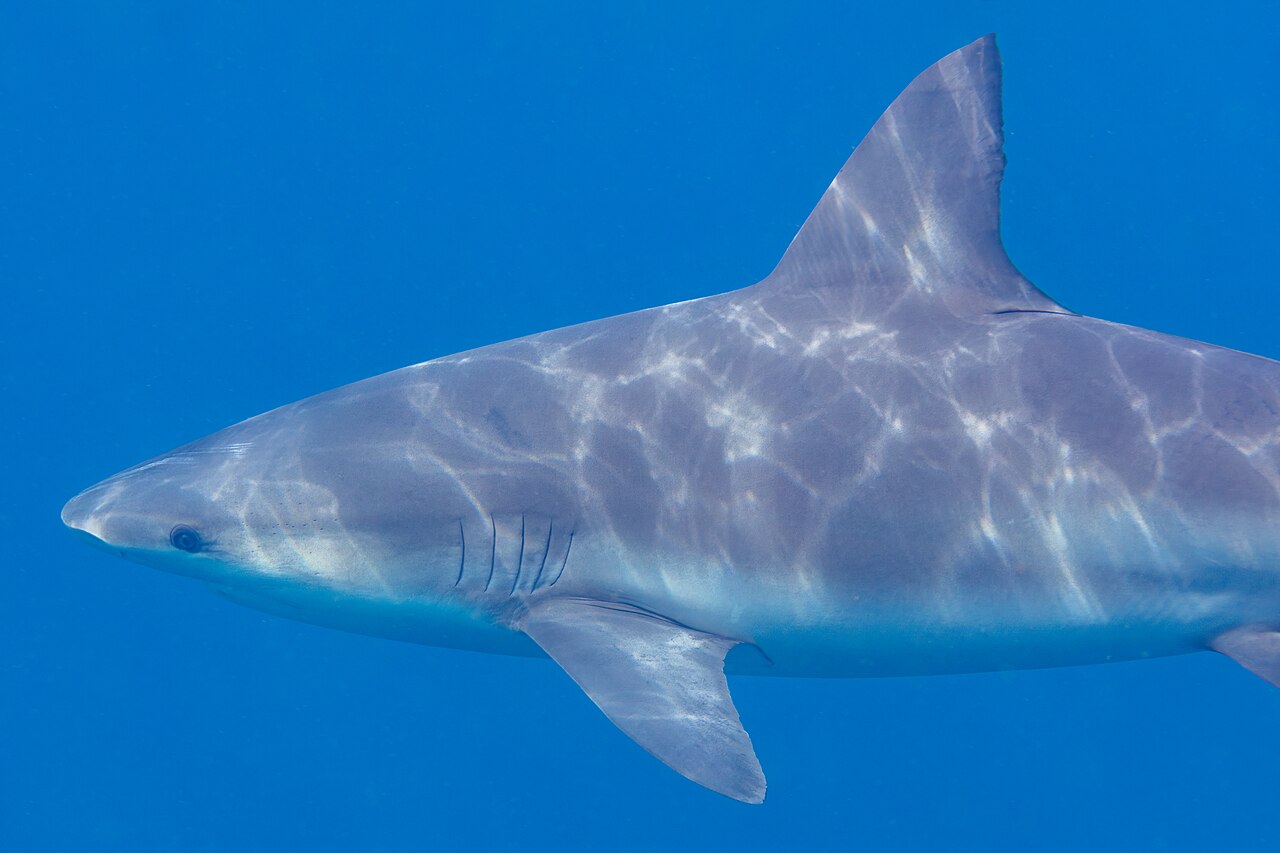
A fisherman has claimed he spotted a bull shark off Ireland’s west coast yesterday morning, one of the most feared sharks on the planet, and the only large shark that can leave the sea and swim up rivers.
The fisherman, who spoke to Connemara Journal, said he saw the shark while out at sea early on Monday. The sighting has not been verified, there is no photo or video, and no bull shark has ever been confirmed in Irish waters. But if he is right, it would be one of the most extraordinary marine sightings in Irish history.
Why bull sharks are so feared
Bull sharks are thickset, powerful hunters that grow to around three metres. They tend to be aggressive and live near shorelines, which has earned them a fearsome reputation, National Geographic notes.
They are regularly named alongside the great white and the tiger shark as one of the three species most often involved in bites on humans. Unlike those open-ocean giants, bull sharks love shallow, murky water close to shore, exactly where people swim, paddle and wade.
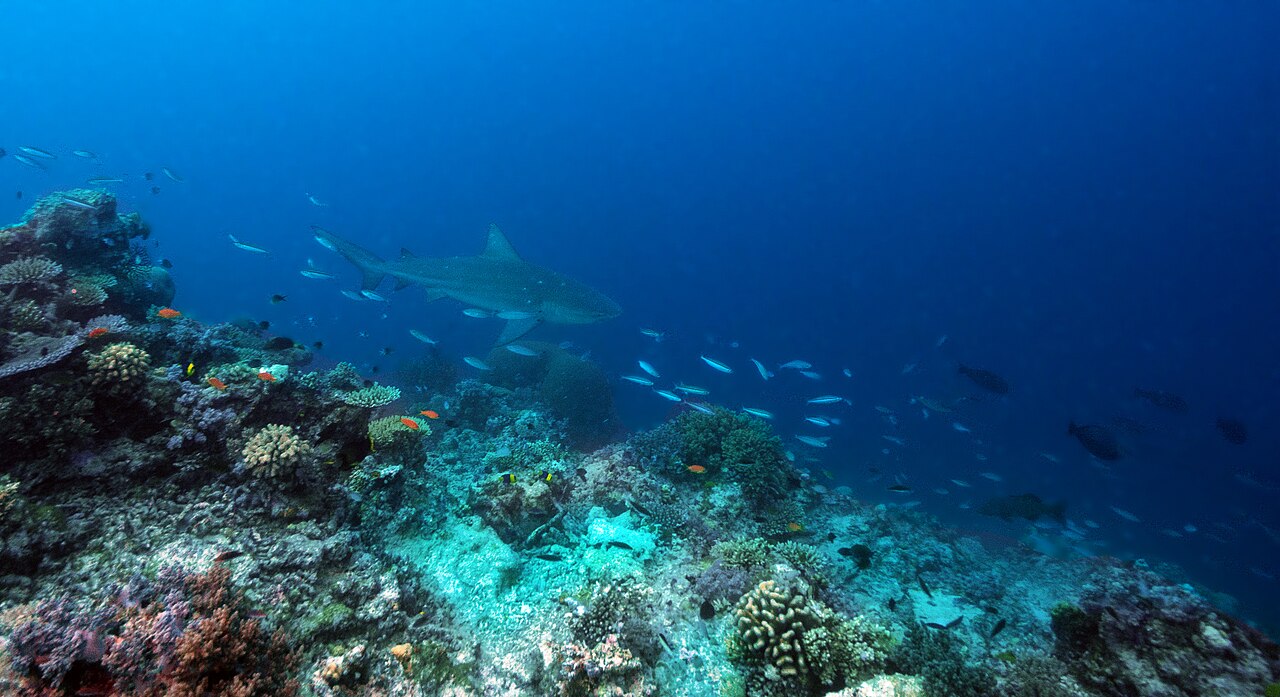
The shark that swims up rivers
What makes the bull shark truly unsettling is that it is not limited to the sea. Scientists describe it as fully euryhaline, meaning it can move between salt water and fresh water, and it is famous for travelling far up rivers and into lakes, according to a global review of freshwater bull shark records.
Its body can control how much salt it holds, letting it survive in water that would kill most other sharks. Bull sharks have been found hundreds of kilometres inland in rivers such as the Mississippi, the Amazon and the Ganges. They even use river mouths and estuaries as nurseries for their young, the ReefQuest Centre for Shark Research explains.
READ MORE
- OIL ON OUR DOORSTEP: Rust-bucket Russian tankers are now sailing past Connemara
- Storm names 2026/27: the full Met Éireann list
Could a bull shark really be in Irish waters?
Here is the reality check. Bull sharks are warm-water animals. They need water warmer than around 18°C (65°F), National Geographic reports, and in the Atlantic they are normally found no further north than Massachusetts in the west and Morocco in the east, according to FishBase.
Irish coastal waters average around 12°C in November, according to sea temperature records, far too cold for a bull shark to survive for long.
That makes a mistaken identity far more likely. Ireland’s west coast is home to several sharks that could be confused with a bull shark from a boat, including:
- Porbeagle – a stocky, powerful shark that hunts off the west coast
- Blue shark – common offshore in the warmer months
- Tope – a medium-sized shark often caught by anglers
- Basking shark – a huge but harmless plankton-eater, regularly seen off Galway, Mayo and Kerry
Shark scares are not new here. In 2024, a fake great white sighting off Galway sparked alarming headlines before it was exposed as a hoax, ABC News reported.
What it would mean for Irish waters if true
If a bull shark has turned up off Ireland, it would be a dramatic warning sign that our seas are changing fast. Irish waters have warmed strongly since the 1980s, and marine heatwaves have hit the west coast in recent years.
Scientists in the US have already watched bull sharks push north as waters warm. A 2018 study in Scientific Reports found bull sharks had started using Pamlico Sound in North Carolina as a nursery, linked to rising water temperature and salinity. In 2025, a tagged female amazed scientists by swimming a record 4,000 miles from the Indian Ocean around Africa to Nigeria.
A sea capable of supporting bull sharks year-round would mean a very different Ireland, with warm-water predators near beaches, harbours and potentially river mouths. For now, though, Irish waters remain far too cold, and experts would want hard evidence before accepting that one has arrived.
Seen a shark? Report it
If you spot an unusual shark off the Irish coast, try to safely take a photo or video and note the time and location. Sightings can be reported to the Marine Institute or to Inland Fisheries Ireland. Never approach or try to touch a shark.
Are you the fisherman, or did you see something too? Contact the Connemara Journal newsroom.
Sources
- Fisherman’s account, given to Connemara Journal
- National Geographic: Bull shark swims record-breaking 4,000 miles
- FishBase: Carcharhinus leucas, bull shark
- Scientific Reports (2018): Bull shark nursery expansion in North Carolina
- ReefQuest Centre for Shark Research: Fresh waters
- ABC News: Are there white sharks off Ireland’s coasts?
Featured image: Bull shark, San Pedro, Belize by Diego Delso, CC BY-SA 4.0, via Wikimedia Commons. File image: this is not the shark reported off Ireland.
Leave a Reply