
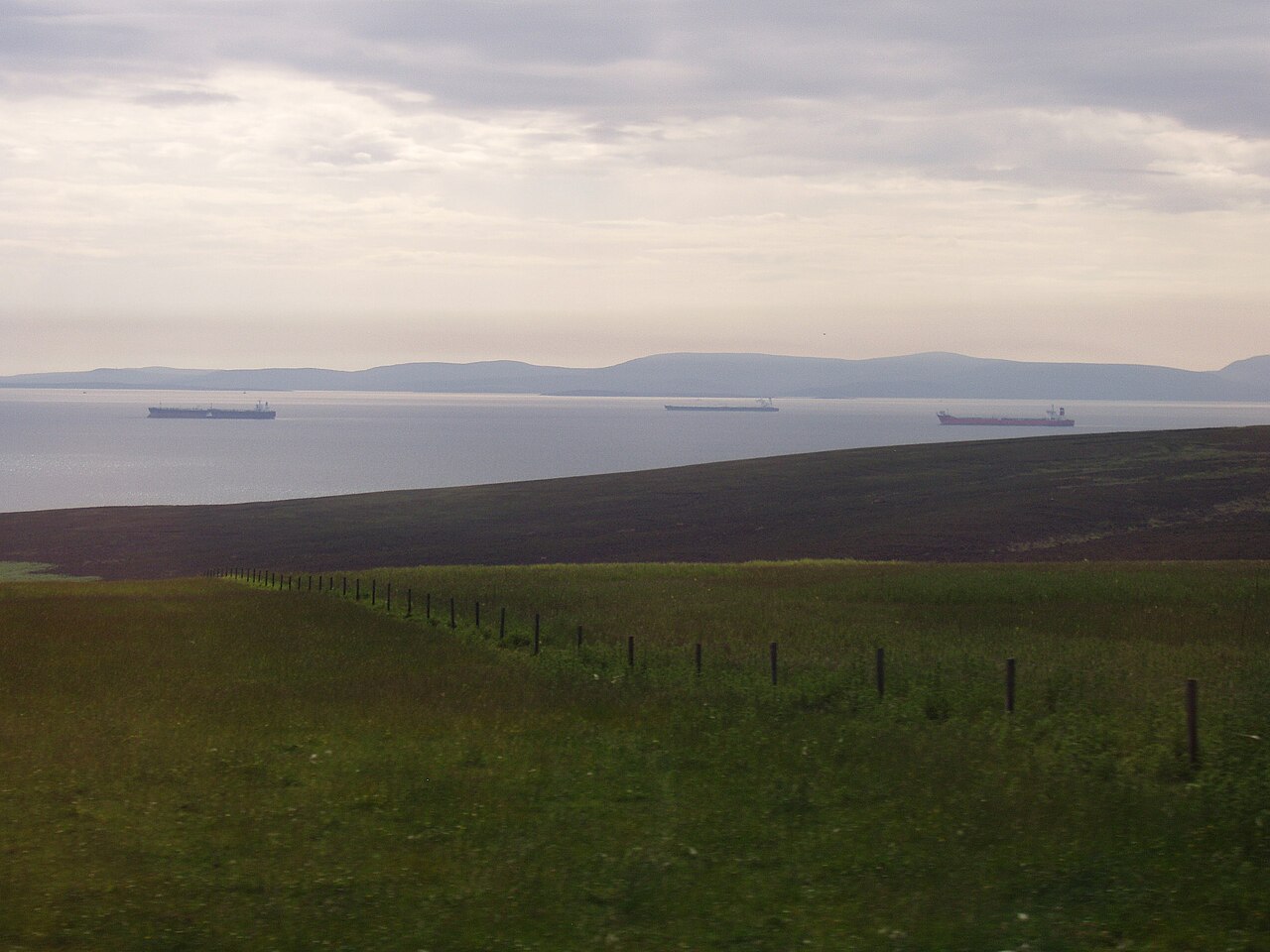
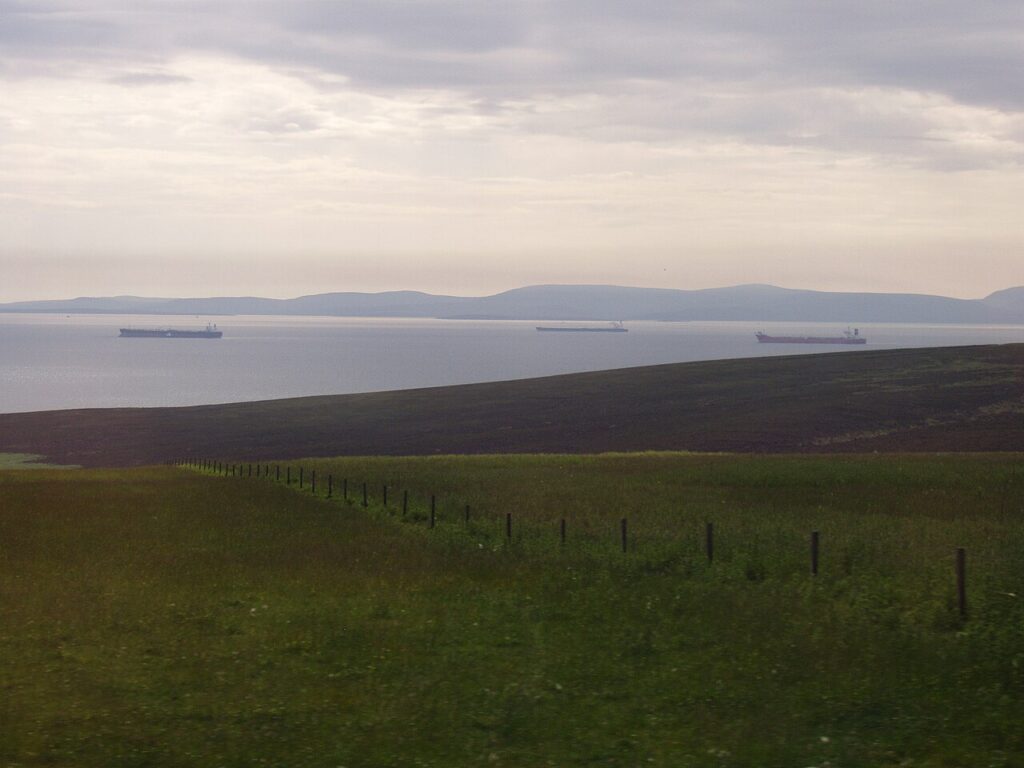
They’re old, they’re often uninsured and they’re sailing right past our front door. A new investigation has found that more than seven in ten of the sanctioned “shadow fleet” oil tankers passing through Irish-controlled waters have serious safety problems. For anyone who lives, fishes or works along the west coast, that should be a wake-up call.
The figures come from an Irish Times investigation published this morning. Using satellite tracking data from Starboard Maritime Intelligence, it counted 218 shadow fleet vessels crossing Ireland’s Exclusive Economic Zone (EEZ) so far this year, some of them more than once. That’s close to double last year’s level. The Defence Forces put the rise even higher, at 192 per cent.
What is the shadow fleet?
It’s the name given to the hundreds of ageing tankers that move sanctioned Russian oil around the world. They’re often registered in countries with little or no inspection regime, their ownership is murky, and many sail without the kind of insurance that would pay for a clean-up if something went wrong.
According to the Irish Times, nearly a quarter of the ships tracked off Ireland have been detained by port authorities at least once because of their safety record. Inspectors logged 676 separate defects across the fleet, with one ship alone clocking up 20. They included structural problems, fire hazards and poor pollution controls.
Why are they suddenly off our coast?
For years, most of these tankers took the short cut through the English Channel. That changed when British authorities threatened in March to start seizing shadow fleet ships in the Channel. According to the military, many have since switched to the long way round, down the west of Ireland and out through the North Atlantic.
In other words, the problem Britain pushed out of its own waters has been pushed towards ours. Gonzalo Saiz Erausquin, a sanctions expert at the Royal United Services Institute in London, told the paper the traffic exposes Ireland to “exponential environmental risks”.
What it could mean for Connemara
This isn’t an abstract worry for the west. Connemara’s coastline is one of the most important parts of the local economy, and an oil spill would hit it from every direction:
- Shellfish and fish farming. Mussel and oyster farms in bays like Killary, Ballinakill and Bertraghboy depend on clean water. Even a small slick can shut down harvesting for months.
- Fishing. Inshore boats out of Rossaveal, Cleggan and Roundstone rely on healthy stocks and open grounds.
- Tourism. The Wild Atlantic Way sells beaches like Dog’s Bay, Gurteen and Glassilaun. Pictures of oiled sand and seabirds would undo years of work in days.
- Wildlife. The islands and headlands from Inishbofin to the Aran Islands are home to seabird colonies, seals and dolphins.
Worldwide, shadow fleet ships have been linked to more than 50 collisions and spills in recent years. And as RTÉ’s Prime Time reported last year, if an uninsured tanker spilled its cargo off Ireland, the bill for cleaning it up would most likely land on the Irish taxpayer.
Is anyone watching?
The Irish Coast Guard says it monitors shipping in Irish waters and recognises the risk some of these ships pose. The Air Corps and Naval Service also track shadow fleet vessels as they pass. But most of these ships stay outside Ireland’s 12-mile territorial limit, in the wider EEZ, where Ireland’s powers to stop or board them are limited.
That leaves some hard questions for the Government, especially in a week when Ireland is hosting European leaders as part of its EU presidency:
- Does Ireland have enough tugs, booms and pollution-response equipment on the west coast to deal with a major tanker incident?
- Will Ireland push at EU level for tougher action on uninsured tankers, as Britain and the Nordic countries have?
- Who pays if the worst happens?
For the people of Connemara, the coast isn’t just scenery. It’s jobs, food and a way of life. Right now it’s sitting on the route of a fleet that many experts describe as a disaster waiting to happen.
Do you fish, farm or run a business on the coast? We’d like to hear your views. Email info@connemarajournal.ie.
Sources: The Irish Times, RTÉ Prime Time.