
The FBI has formally blamed North Korea for the theft of more than $6bn (about €5.4bn) in cryptocurrency from Binance, the world’s largest crypto exchange. The heist, which happened on or about 29 October, may be the largest crypto theft ever recorded.
The attribution came over the weekend as Binance began letting customers take their money out again after a freeze. Here is what we know, and what it means for ordinary people who hold digital currency.
Who the FBI says did it
According to the FBI, the attack was carried out by a North Korea-linked group known as TraderTraitor, which is believed to be part of the wider Lazarus Group. RTÉ reported that the same group was blamed for the $1.5bn theft from the Bybit exchange in February of last year.
Investigators say the hackers have been converting the stolen tokens into Ethereum and are expected to try to launder them through decentralised finance platforms and instant swap services. The FBI has urged private-sector firms to block transactions linked to the addresses involved. Binance has offered few technical details, describing the incident as a complex attack.
Not everyone in Washington is convinced. Euronews reported that President Donald Trump cast doubt on the finding, saying: “We don’t know if it’s North Korea.”
Is customer money safe?
Binance has said it will fully cover the financial impact on users. It set aside more than $6.34bn of company funds and says it has already used company money to buy back about 90% of the stolen tokens. The remaining 10% involves less widely traded tokens and may take longer to replace.
Withdrawals restarted in phases on Sunday. Euronews reported that in the first window, between 6am and 3.30pm GMT, users pulled out $4.65bn while depositing $1.01bn. That is a net outflow of about $3.64bn, which Binance put at around 2.1% of the assets it holds.
Withdrawal surges of this size are normal after a major incident, as customers move funds to check they can still access them. A key test over the coming days is whether outflows ease as confidence returns.
Markets were shaken when the news broke on Friday. Bitcoin fell nearly 5%, Ethereum almost 6% and Binance’s own BNB token close to 10%.
What it means for you
Crypto ownership in Ireland is still small. The Department of Finance’s latest banking survey found that just 1% of adults hold cryptocurrency, the Irish Examiner reported. But for those who do, the heist is a reminder of the risks of leaving assets on any exchange, however big.
Some general points worth bearing in mind:
- A promise to cover losses comes from the company itself. It is not the same as a state-backed deposit guarantee of the kind that protects bank savings.
- Major hacks are often followed by scams. Be wary of emails, texts, calls or social media messages offering to “recover” lost crypto or asking you to verify your account. Use only the exchange’s official app or website.
- Check the exchange’s official channels for updates rather than relying on screenshots shared online.
This article is for information only and is not financial advice. Crypto assets are volatile and you can lose all the money you put in.
What happens next
Binance is expected to keep restoring services in stages and to finish replacing the less liquid tokens. Investigators and blockchain analysts will now try to trace the stolen funds as they move. Recovering assets from North Korean groups has historically proved very difficult. Regulators in Europe and elsewhere are likely to ask fresh questions about security at large exchanges.
Sources
- RTÉ: FBI says North Korea behind $6bn crypto theft (1 November 2026)
- Euronews: Binance resumes withdrawals after billions stolen in hack (2 November 2026)
- Irish Examiner: Revolut current account usage doubles (26 October 2026)
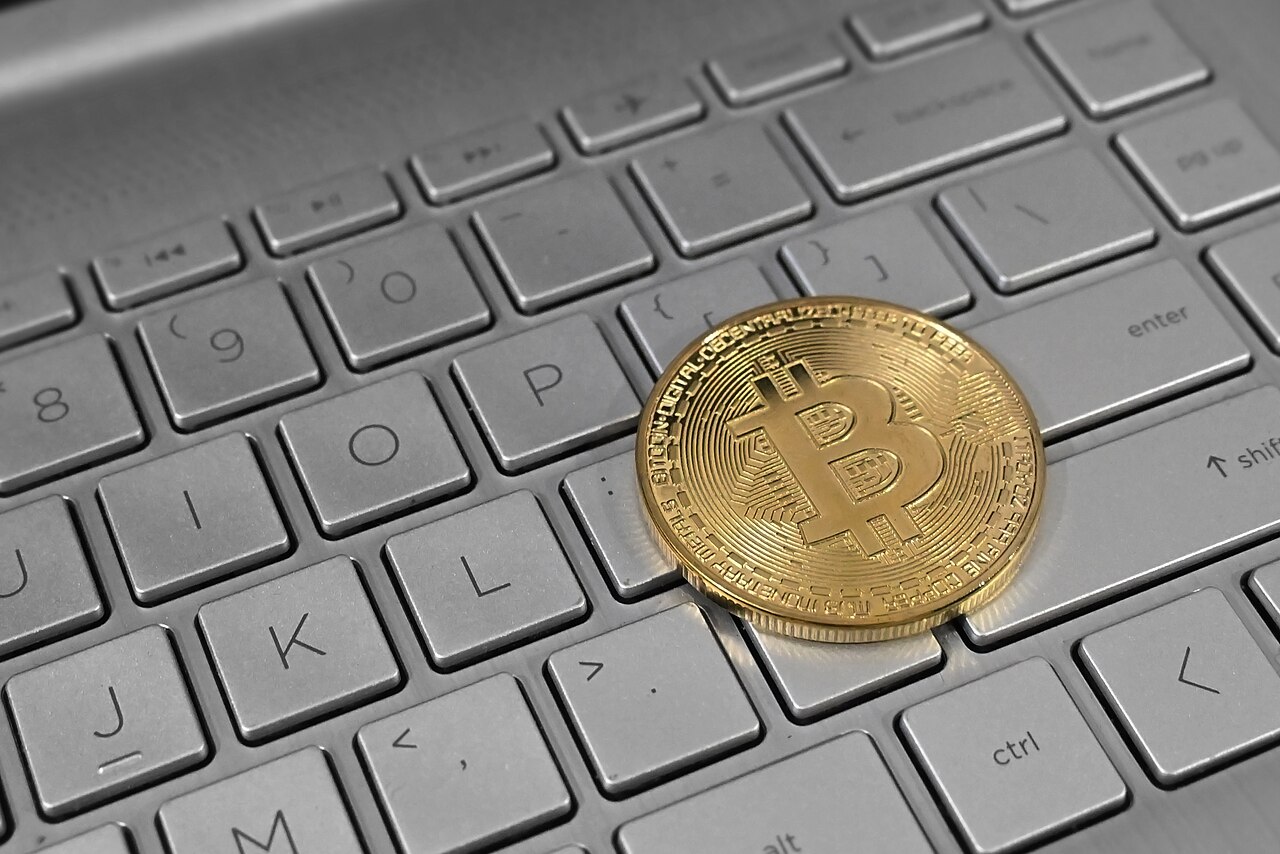
Featured image: Bitcoin on Laptop Keyboard by Satheesh Sankaran, CC BY 2.0, via Wikimedia Commons.
Leave a Reply