
More than half of young adults with type 2 diabetes who followed a strict low-calorie diet combined with supervised exercise were in remission within six months, according to a new clinical trial that researchers say should change how the disease is tackled in younger people.
In the RESET for Remission trial, 54% of participants on the intensive programme no longer met the threshold for diabetes and were off all diabetes medication, compared with just 4% of those who received usual medical care. The results were published in The Lancet Regional Health – Americas and presented at the European Association for the Study of Diabetes (EASD) annual meeting.
What the study actually did
The trial was run by researchers at McGill University and the McGill University Health Centre in Montreal, the University of Leicester in England and the University of Alberta in Canada, led by Professor Kaberi Dasgupta and Professor Thomas Yates.
It recruited 96 adults aged 18 to 45 who had been diagnosed with type 2 diabetes early in life, were living with obesity and were not using insulin. The average participant was 38. Half were randomly assigned to the programme and the rest continued with standard care.
For the first 12 weeks, the intervention group ate just 800 to 900 calories a day, mostly from meal-replacement shakes and bars, and did supervised aerobic and strength training twice a week plus one session on their own. For the next 12 weeks they moved on to an ordinary food-based diet designed to hold the weight off, and kept exercising independently.
Remission was defined as blood sugar falling below the level used to diagnose diabetes, with no diabetes medication for at least 12 weeks.
The results in plain English
- Remission: 27 of 50 people on the programme (54%) versus two of 46 on usual care (4%).
- Weight: the programme group lost about 8.4kg on average, around 7.5kg more than the comparison group, and most of that was fat rather than muscle.
- Other benefits: liver fat and the harmful fat around internal organs both fell, fitness and grip strength improved, and blood pressure and resting heart rate dropped. Participants also reported less diabetes-related distress and better quality of life.
- Side effects: most people on the programme had at least one, typically constipation, headache, dizziness or tiredness early on. These were mostly mild and passed, and no serious adverse events were reported.
The authors say their remission rates sit at the upper end of what similar trials of this length have achieved.
Why it matters, and the big caveats
Type 2 diabetes that develops before middle age tends to be more aggressive, and younger patients face decades of risk of complications. A programme that can push the disease into remission early could be valuable, and the researchers suggest it may be particularly useful for people planning a pregnancy.
But this is one small trial, not a cure. Only 96 people took part, participants and staff knew who was getting the intervention, and the follow-up lasted just six months, so nobody yet knows how many people will stay in remission. The trial had no diet-only group, which means it cannot prove how much the exercise itself added. Remission is not the same as the disease being gone for good, and blood sugar can rise again if weight returns.
Crucially, very low-calorie diets are not something to try alone. Anyone with diabetes, especially those on medication, should only change their diet significantly under the supervision of their GP or diabetes care team, as medication may need to be adjusted.
What happens next
The researchers say the next step is a larger and longer trial, carried out in real-world settings, comparing a low-calorie diet on its own against the same diet combined with exercise. They are also calling for health services to develop scalable programmes that combine the two.
For now, the study adds to a growing body of evidence that early, intensive weight loss can put type 2 diabetes into remission for some people. If you have type 2 diabetes and are interested in weight-loss approaches, the best next step is a conversation with your GP or diabetes team about what is appropriate and available to you.
Sources
- ScienceDaily (from EASD): Type 2 diabetes breakthrough as 54% achieve remission in just 6 months (30 October 2026)
- McGill University Health Centre: Half of young adults with type 2 diabetes reach remission through diet and exercise (26 October 2026)
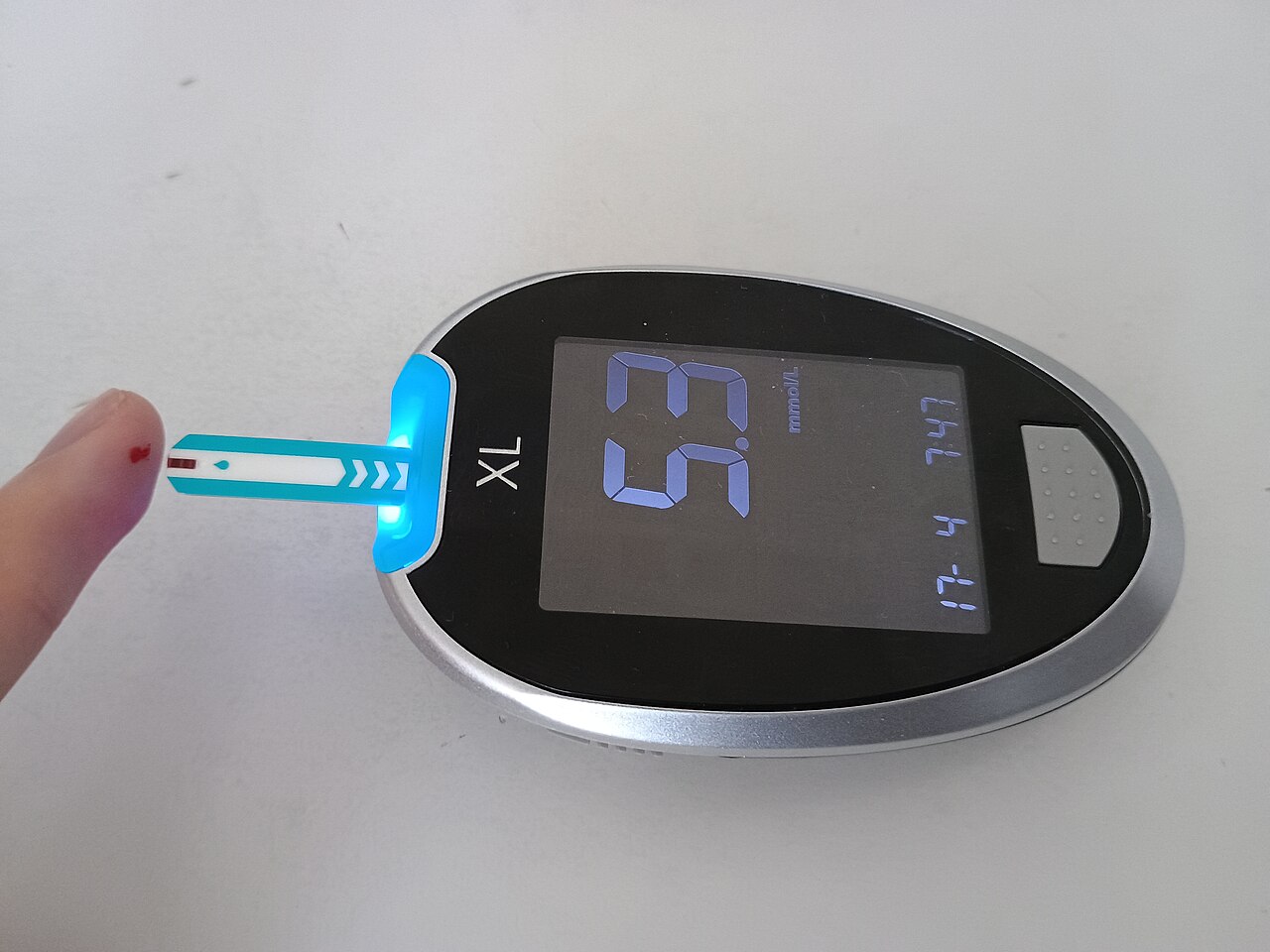
Featured image: (20250417) Blood glucose meter 09 by Roy Zuo, CC BY-SA 4.0, via Wikimedia Commons.
Leave a Reply