
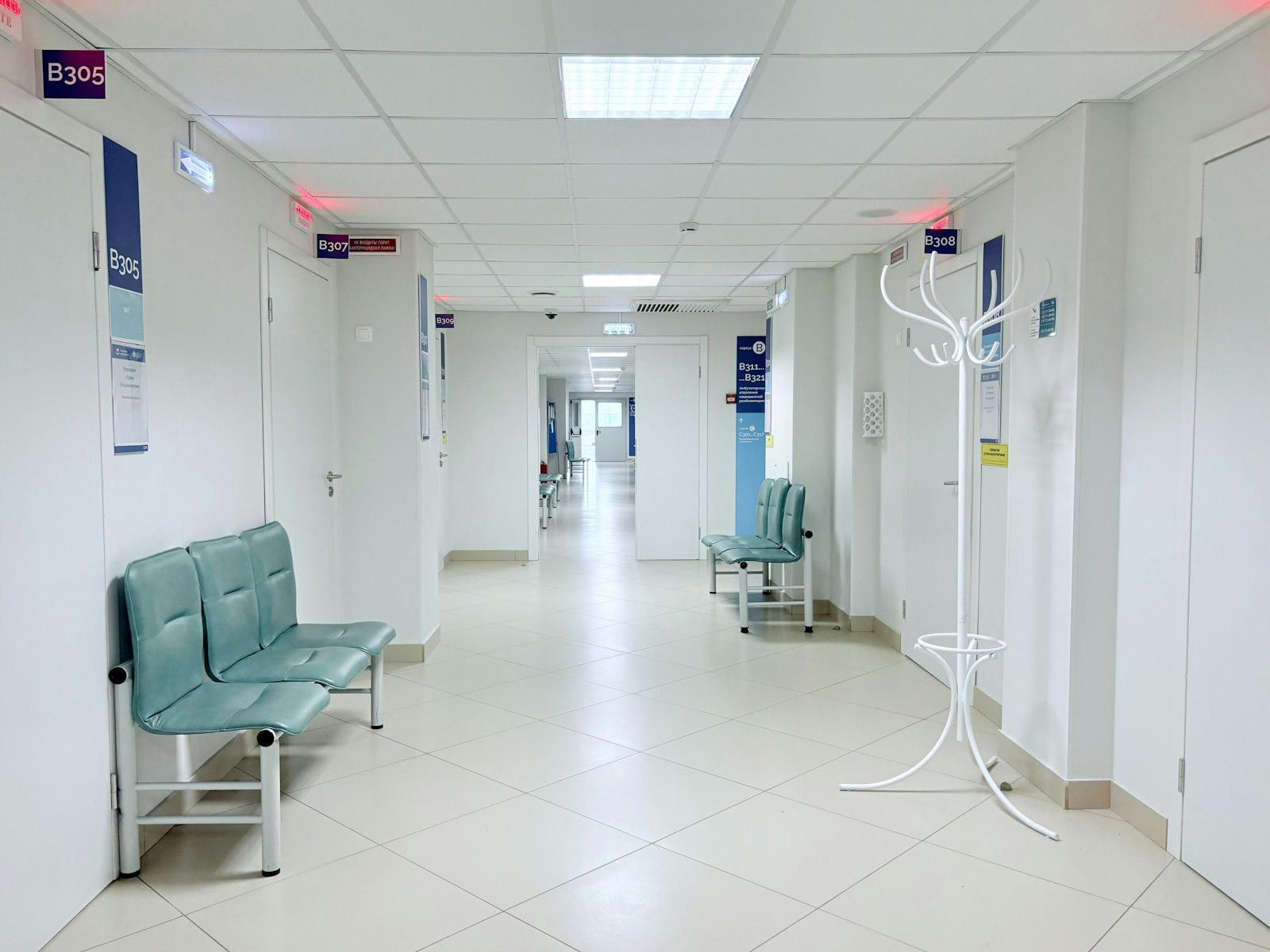
Underground operating theatres. Cold War bunkers brought back to life. Plans for a thousand wounded soldiers a day. Across Europe, hospitals are quietly getting ready for a war that their governments hope will never come.
What’s happening across Europe
- Germany: The Bundeswehr expects that in a major war, up to 1,000 wounded could need treatment every day, and much of the burden would fall on civilian hospitals. The military hospital in Ulm is considering recommissioning a Cold War-era underground bunker built for about 2,000 people, according to Bloomberg via Kurs.
- France: The French health ministry told hospitals to be ready for a possible “major engagement” by March 2026, including treating large numbers of wounded troops from across Europe.
- Lithuania: The Santaros Clinics in Vilnius, near the Belarus border, is building underground shelters, helipads and systems that can keep running without power or water, according to Politico.
Why now?
Leaders from Czechia, Finland, Poland and the Baltic states have warned that a high-intensity war in Europe in the next few years is a real possibility. Defence think tank RUSI warned that if war breaks out, Russia would target health systems deliberately, as it has done in Ukraine.
Medicine supply chains are another weak spot. Much of the raw material for antibiotics and painkillers used in Europe comes from Asia.
Not everyone agrees with the direction of travel. Some German doctors’ groups argue that turning hospitals into part of the war machine risks putting military needs ahead of patients.
And Ireland?
Ireland is militarily neutral, but that doesn’t make our health service immune. A large-scale war in Europe could mean disrupted medicine supplies, cyber attacks on hospital IT – remember the 2021 HSE ransomware attack – and pressure to help treat the injured.
Earlier this month the Defence Forces warned that the State’s ability to defend itself was compromised by the lack of a security strategy, The Irish Times reported. Whether the health service has its own plan for a major European conflict is a fair question for the Government to answer.
The bottom line
Nobody wants this. But as one German doctor involved in war-readiness exercises put it, the health system is central to holding society together in a crisis. Across Europe, governments have decided it’s better to plan for the worst than be caught out.
Sources: Kurs/Bloomberg, RUSI, Politico via Liga.
Main image: Tasha Kostyuk / Unsplash
Leave a Reply