
TODAY’S nationwide public sector strike is OFF – after a deal hammered out at around 3.30am yesterday morning put a 10.75% pay rise on the table for more than 400,000 public servants.
Schools, hospitals, council offices and Government departments had been braced for a second 24-hour shutdown today, Thursday 12 November – the very same day around 50 world leaders arrive at the Convention Centre Dublin for the biggest summit of Ireland’s EU Presidency.
Instead, unions and the Government emerged from marathon talks at the Workplace Relations Commission with a new public sector pay deal worth €5.2 billion, and the Irish Congress of Trade Unions’ Public Services Committee recommended that the strike – and ongoing work-to-rules – be suspended while members vote, RTÉ News reported.
But nothing is in anyone’s pocket yet. The deal still has to be approved by Government and passed in union ballots that run into December. Here’s what’s in it, who gets the most, and when the money could land.
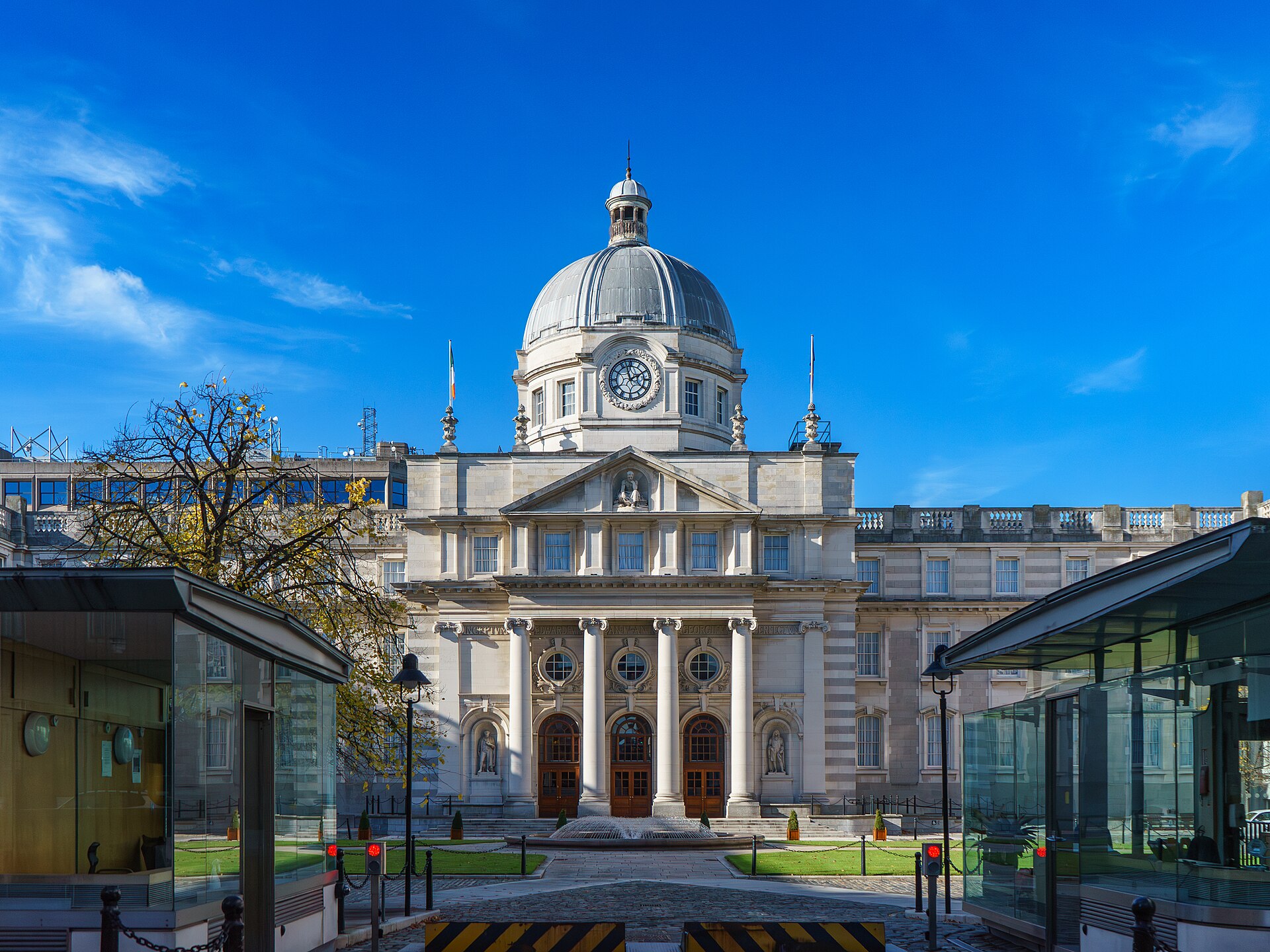
What is in the new public sector pay deal?
The agreement is worth 10.75% in total: 9.75% in general pay rises plus 1% for “local bargaining” – sector-specific deals for particular grades. It runs for two years and nine months, from 1 July 2026 to the end of March 2029, according to TheJournal.ie.
That is a big jump on the 7.75% over two and a half years that unions threw out last month – the offer the Taoiseach insisted was “not a small offer” when Connemara Journal reported on the bid to revive talks.
According to RTÉ and TheJournal, the increases are due on these dates:
- 1 September 2026: 2% or €1,200, whichever is greater
- 1 April 2027: 1%
- 1 August 2027: 1% or €600, whichever is greater
- November 2027: 1.5% or €900, whichever is greater
- 1 March 2028: 1%
- 1 June 2028: 1% or €600, whichever is greater
- 1 October 2028: 1%
- 1 March 2029: 1% local bargaining instalment
- 2 March 2029: 1.25% or €750, whichever is greater
Those “whichever is greater” floors are the key to the deal. They mean lower earners get a bigger percentage rise than the headline figure – and the threshold for who counts as lower-paid has been raised from €50,000 to €60,000, RTÉ reported.
Who gets the biggest pay rise?
Every worker covered gets at least 11.3% cumulatively, while the lowest paid could see rises of up to 18.3% including local bargaining, according to The Irish Times breakdown of what the deal means for each grade. Its figures for staff on starting pay over the life of the deal include:
- Cleaner: 18.3%
- Special needs assistant: 17.2%
- Civil Service clerical officer: 17.1%
- General operative or healthcare assistant: 15.4%
- Garda: 14.6%
- Enhanced nurse: 13.3%
- Primary teacher: 13.1%
- Secondary teacher: 12.8%
To put that in real money: a clerical officer on €35,000 would get the €1,200 minimum in the first instalment – a rise of about 3.4% in one go.
When will public servants get the money?
The first 2% rise is backdated to 1 September. But The Irish Times expects the increases to show up in pay packets from January, with lump sums for the backdated money coming after Christmas – so don’t count on it for the Christmas shopping.
Before that, the deal has to clear two hurdles. The Government must formally sign it off, and each union must ballot members. Fórsa, the largest public service union, is recommending a Yes vote and its ballot runs from 16 November to 4 December, RTÉ reported. The TUI’s executive is also recommending acceptance. Overall results are expected in early-to-mid December.
Both sides can also trigger a review if inflation spikes or something unforeseen happens, according to union leaders – an important safety net with Irish inflation running at around 4%.
How the strike was averted at the eleventh hour
The deal caps a turbulent autumn. The first 24-hour stoppage on 14 October, billed as the largest public sector strike in decades, shut schools and forcing thousands of hospital appointments to be rescheduled. Talks then collapsed into an “impasse” at the end of October, and the row was handed to a Government-appointed group chaired by WRC chair Kevin Foley – as we reported at the time.
Unions then set a second strike for 11 November before switching to Thursday 12 November, with eight rallies planned from Dublin to Galway, Cork, Limerick, Waterford, Sligo, Tullamore and Letterkenny. A revised offer landed on Monday night and, after talks that Newstalk reported went on until around 4am, a deal was struck in the early hours of Wednesday.
What the Government and unions said
Minister for Public Expenditure Jack Chambers called it “a balanced, fair and credible deal for public servants across the country which particularly prioritises the lower paid”, RTÉ reported. He told the Irish Examiner the agreement was “fiscally sustainable”.
Fórsa general secretary Kevin Callinan said that, based on inflation forecasts, the deal is “ahead of the projections over the period”. But he warned: “I think it will take more than a pay offer to rebuild the trust of public servants with the government.”
SIPTU’s Adrian Kane told RTÉ “it’s a better deal than the last time”, and described it to the Irish Examiner as “unashamedly weighted towards the lower and the middle paid”. INMO general secretary Phil Ní Sheaghdha admitted: “There were times when we didn’t think we would have proposals to members.”
For nurses in the west, that matters: University Hospital Galway has been under huge strain, hitting a ten-year trolley high in October.
Was the deal done to save the EU summit?
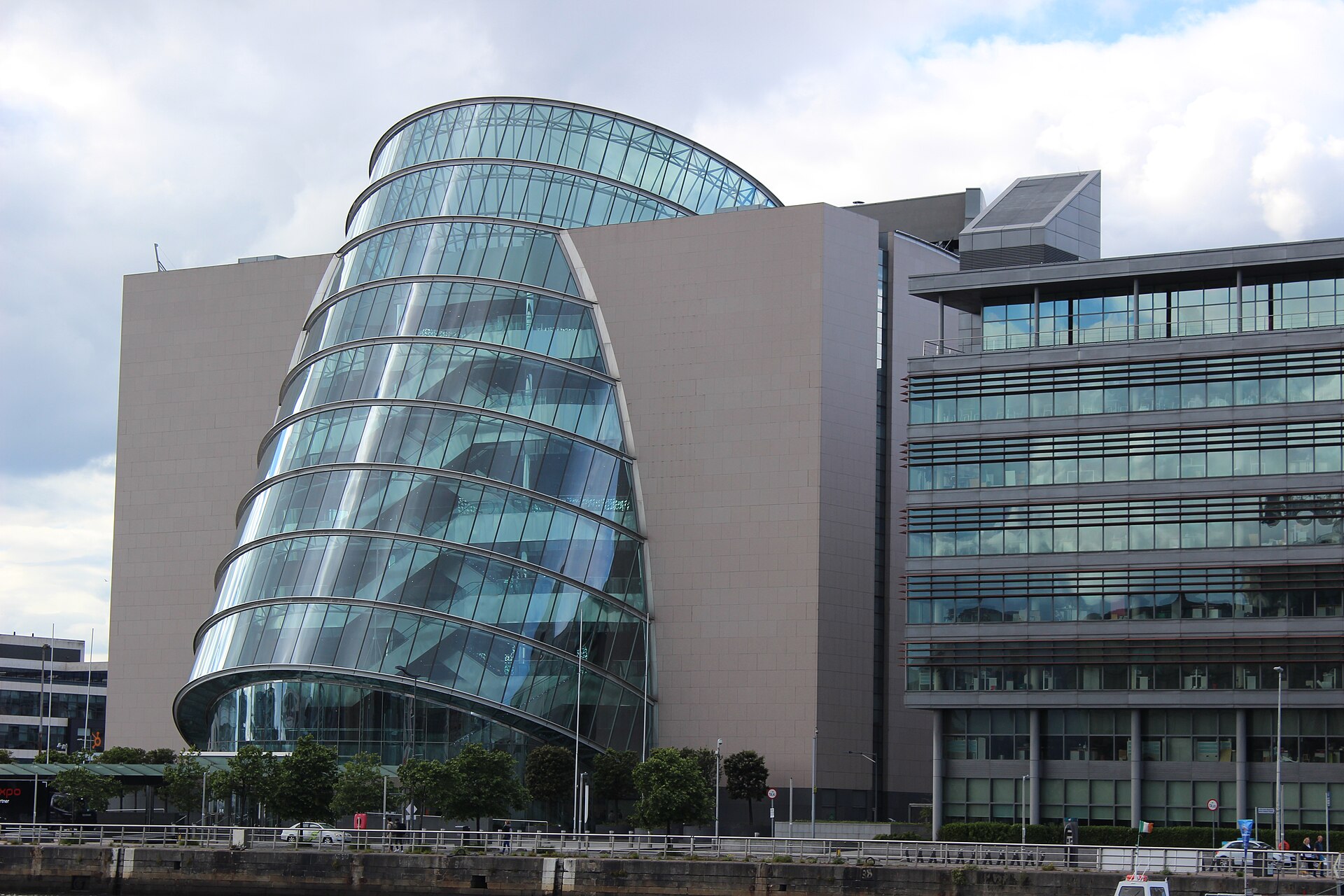
The strike would have landed on the day of the European Political Community meeting at the Convention Centre Dublin, followed by an informal summit of EU leaders tomorrow – the showpiece of Ireland’s EU Presidency, which already has the capital facing four days of road closures and a huge garda operation.
That raised questions over whether the Government blinked to avoid an embarrassing walkout in front of the world. Chambers denied the Government had capitulated, with RTÉ reporting his view that reaching a deal before the strike was “coincidental”. Fórsa had earlier insisted the strike date was picked for logistical reasons, not to target the summit.
What happens next
For now, there is no strike, no rallies and – unions say – no work-to-rule while the ballots run. If members vote Yes in December, the first rises and backdated lump sums should follow in the new year. If they vote No, the whole row could reignite in 2027.
For hundreds of thousands of families, including teachers, nurses, gardaí, SNAs and council workers right across Galway and Connemara, the next few weeks will decide whether this 3.30am breakthrough is the end of the dispute – or just a pause. It also lands as private-sector workers push for more too, with twice as many big firms bracing for pay rise demands.
Sources: RTÉ News; The Irish Times and The Irish Times pay breakdown; TheJournal.ie; Irish Examiner; Newstalk; Irish Presidency of the Council of the EU.
Image credits: Government Buildings, Dublin – David Kernan / Wikimedia Commons, CC BY-SA 4.0. Uncut strip of €50 banknotes – DiscoA340 / Wikimedia Commons, CC0. The Convention Centre Dublin – Metro Centric / Wikimedia Commons, CC BY 2.0.
Leave a Reply