
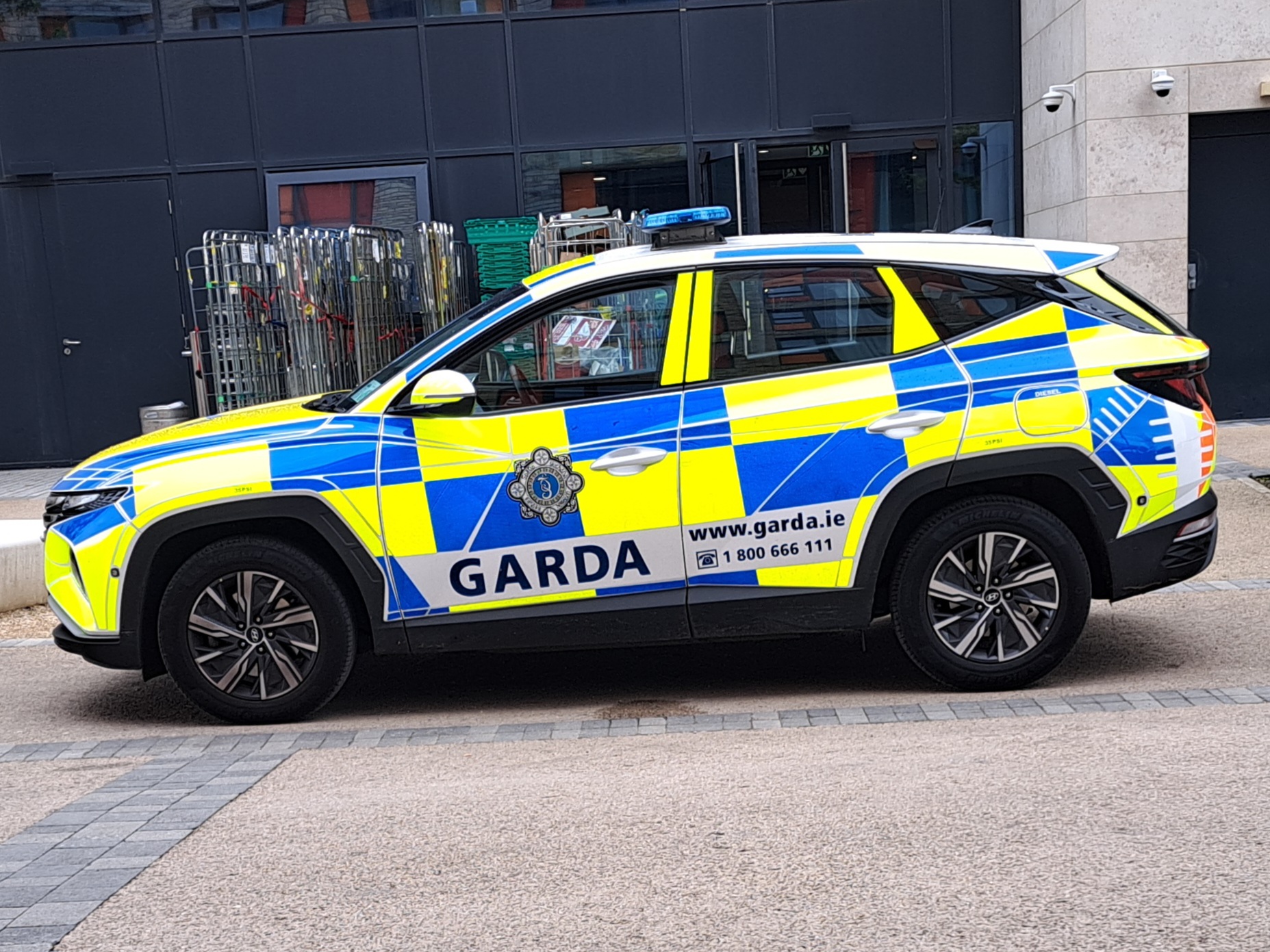
In short: Hundreds of schools across Ireland got a generic bomb threat email on Wednesday, 11 November. Gardaí say it is not credible and are not advising schools to evacuate. If a school gets a threat it should ring 999 and follow Garda instructions. Parents should follow what the school tells them and keep things calm and simple when talking to children.
Published 11 November 2026. Last updated: 11 November 2026, 20:42.
Parents around the country got the text nobody wants on Wednesday morning: their child’s school had received a threatening email.
Hundreds of schools in the Republic, and about 300 in Northern Ireland, were sent the same generic bomb threat. Gardaí quickly assessed it as not credible. Police in the North are treating it as a hoax.
It is the latest in a run of school threats this year. Here is what happened, what gardaí and the Department of Education are telling schools, and what parents can do.
What happened on Wednesday, 11 November
Gardaí said a generic message was sent to a number of schools and colleges on Wednesday morning. Schools in counties Dublin, Cork, Wicklow, Kildare and Meath were among those affected, according to RTÉ News and The Journal.
Taoiseach Micheál Martin told the Dáil that gardaí had taken several hundred calls from schools. He said gardaí would contact each school, but warned that the volume of calls meant this could take time.
Education Minister Hildegarde Naughton said gardaí had assessed “this threat as not credible and there is no need for schools to evacuate”. The Department of Education wrote to every school on Wednesday morning with the same advice.
Even so, some schools evacuated pupils or carried out precautionary searches, and many messaged parents. Some schools didn’t see the email at first because it had gone to their spam folders, The Journal reported.
The same email campaign went well beyond schools. The Irish Times reported that media outlets in Ireland and Britain also received a threat on Wednesday. More than 300 schools in Italy were evacuated after getting a similar message, and Police Scotland said emails to schools there did not appear credible.
Separately, The Irish Times reported that a bomb threat to a school in Cork on Monday has been traced to a young teenager.
Northern Ireland: 300 schools, treated as a hoax
In the North, the PSNI said 300 schools reported getting a threatening email on Wednesday and that it was treating it as a hoax. Assistant Chief Constable Anthony McNally said police considered the risk to the public low.
The Education Authority told schools the message was similar to a bogus threat sent last month, which the PSNI had declared a hoax.
The 19 October emails
That earlier wave came on Monday, 19 October. The PSNI said up to 300 schools in Northern Ireland reported receiving the same email containing a generalised threat. Police said it came from outside the UK and treated it as a hoax, The Irish Times reported.
Stormont Education Minister Paul Givan said some schools closed that day, and condemned the disruption to pupils’ education.
Earlier threats to schools in the Republic, including Carlow
Wednesday was not the first time schools in the Republic were targeted this year.
14 October: A threatening email reached more than 150 schools around the country on the day schools were shut for the public sector strike, the Carlow Nationalist reported. Schools in Dublin, Kildare, Carlow, Cork and Donegal were among them. The Department of Education said gardaí advised any school that got the email to ring 999, report it and cooperate with Garda instructions, and that schools could open as normal unless gardaí said otherwise. Most did. A small number delayed opening or stayed closed for a day to carry out safety checks.
27 May, Co Carlow: Twenty primary schools in Carlow got a threatening email early in the morning, and about 10 closed for the day. Gardaí set up an investigation team at Carlow Garda Station and put high-visibility patrols around all 42 primary schools in the county in the following days, Extra.ie reported.
The Irish Examiner later reported that the Garda Special Detective Unit (SDU) was helping Carlow gardaí. According to the Carlow Nationalist, sources told the paper that this is common when a motive needs to be clarified and did not mean a terrorist motive was suspected. No arrest has been publicly reported in that case.
At the time, Superintendent Anthony Farrell asked Carlow schools to carry out a quick search of buildings and grounds. He also warned staff not to click links in any follow-up emails, in case the threat was a lead-in to a ransomware scam.
What gardaí advise schools to do about a bomb threat
On Tuesday, 10 November, Garda Deputy Commissioner Paul Cleary set out how gardaí want any bomb threat handled, whether it comes by email, letter or another message. RTÉ and The Irish Times carried his guidance. In summary:
- Ring 999 straight away and give gardaí as much detail as possible.
- The Garda Regional Control Centre assesses the threat to decide how credible it is.
- Follow Garda instructions. The control centre or the gardaí who respond will tell the school what to do.
- A threat doesn’t automatically mean evacuation. Often the right response is advice or a quick search of the premises.
The Deputy Commissioner said building managers keep the right to decide to evacuate. Gardaí will give professional advice based on their assessment.
Government guidance on gov.ie also says a school’s management authority can decide to close a school in an emergency, in the interest of children’s safety. That’s why schools reacted differently on Wednesday: some stayed open on Garda advice, while others chose to evacuate as a precaution.
Department of Education reviewing its threat protocol
On 27 October the Irish Examiner reported that the Department of Education is reviewing its protocols for threatening emails sent to schools. No completion date for the review has been published.
Principals want it done quickly. After Wednesday’s disruption, school leaders called for clearer security guidance, saying it was “urgently required”, The Journal reported.
Hybrid threats and Ireland’s EU presidency
The school emails come as Ireland holds the presidency of the Council of the EU. More than 50 European and world leaders are in Dublin this week for the European Political Community summit on Thursday and an informal EU leaders’ meeting on Friday.
Last weekend, at the Fine Gael Ard Fheis, ministers warned that schools and hospitals need to be ready for bomb threats. Health Minister Jennifer Carroll MacNeill said hospitals and schools in other European countries had been targeted in so-called hybrid attacks. Ms Naughton told reporters: “I think we always have to be prepared,” according to the Irish News.
Defence Minister Helen McEntee said it was too early to say who was responsible for last week’s threats against media outlets and flights. Nobody has publicly attributed Wednesday’s school emails, and The Irish Times reported they do not appear to be aimed specifically at disrupting the summits.
What parents should do if their child’s school gets a threat
How schools are told to respond
The school rings 999, gardaí assess the threat, and the school follows Garda instructions. The final call on closing or evacuating rests with school management. You don’t need to report the email yourself: the school does that.
What a closure or evacuation text means
- It’s usually a precaution. On 11 November gardaí said the threat wasn’t credible, yet some schools still chose to evacuate or close to be safe. A closure text doesn’t mean a device was found.
- Follow the school’s instructions about collection times and where to go. Don’t turn up at the gates unless the school asks you to.
- Keep 999 free. Gardaí had several hundred calls from schools on Wednesday. For updates, rely on the school’s messages rather than ringing the gardaí.
- Don’t share the email or rumours on social media or in WhatsApp groups. It spreads fear and does the hoaxer’s work for them.
How to talk to kids about it
The Child Mind Institute, a US children’s mental health charity, gives this advice for talking to children about frightening news:
- Tell them yourself, so they don’t hear it first from a classmate or social media.
- Ask what they’ve heard and let them ask questions. Answer honestly and simply, without giving more detail than they ask for.
- Stay calm. Children pick up on adults’ emotions.
- Reassure them that adults, including teachers and gardaí, are working to keep them safe.
- Keep routines going and watch for signs of worry, such as trouble sleeping or not wanting to go to school.
For this story, it can help to tell children plainly that gardaí checked the message and said it wasn’t real, and that the school was being extra careful.
Key facts
- 11 November 2026: Hundreds of schools in the Republic got a generic emailed threat. Gardaí assessed it as not credible and advised no evacuation.
- Same day, Northern Ireland: 300 schools reported a threatening email. The PSNI is treating it as a hoax.
- 19 October: Up to 300 NI schools got an emailed threat from outside the UK, which police declared a hoax.
- 14 October: More than 150 schools in the Republic got a threatening email on a strike day.
- 27 May: 20 Carlow primary schools were targeted. The Garda SDU assisted, according to the Irish Examiner.
- Garda advice: ring 999 and follow Garda instructions. A threat does not automatically mean evacuation.
- Protocol: the Department of Education is reviewing how schools handle email threats. No completion date has been given.
Frequently asked questions
Was the school bomb threat on 11 November real?
Gardaí assessed it as not credible and said there was no need for schools to evacuate. In Northern Ireland, the PSNI is treating the same email as a hoax.
What should a school do if it gets a bomb threat?
Ring 999, give gardaí the details, and follow Garda instructions. The Garda Regional Control Centre assesses the threat and advises the school what to do.
Why did some schools evacuate if gardaí said it wasn’t credible?
School management can decide to close or evacuate in the interest of children’s safety. Some schools chose to do so as a precaution, and some acted before they heard back from gardaí.
Should I collect my child if the school texts about a threat?
Follow what the school’s message says. If it asks parents to collect children, do so calmly at the time given. Otherwise, children are safest following the school’s plan.
Who is behind the school threat emails?
That has not been confirmed. Investigations are ongoing in the Republic and Northern Ireland, and no one has publicly attributed Wednesday’s emails.
Is the Department of Education changing its rules?
The Irish Examiner reported in October that the Department is reviewing its protocols for threatening emails. No date for new guidance has been confirmed.
Sources
- RTÉ News: ‘No need to evacuate’, says Minister after threats sent to schools (11 Nov 2026)
- The Irish Times: Gardaí say widespread bomb threats to schools ‘not credible’ (11 Nov 2026)
- The Journal: Better security guidance for schools ‘urgently required’ (11 Nov 2026)
- The Irish Times: Bomb threat email sent to ‘up to 300’ Northern Ireland schools (19 Oct 2026)
- Carlow Nationalist: Most Carlow schools open as normal after nationwide wave of threatening emails (15 Oct 2026)
- Extra.ie: Gardaí confident of catching Carlow school threat sender (28 May 2026)
- Irish Examiner: Department of Education reviewing threat protocols (27 Oct 2026)
- The Irish News / PA: Ministers on bomb threats and hybrid attacks (7 Nov 2026)
- gov.ie: National Emergencies and Public Health (Closing a School)
- Child Mind Institute: Helping Children Cope With Frightening News
Leave a Reply