
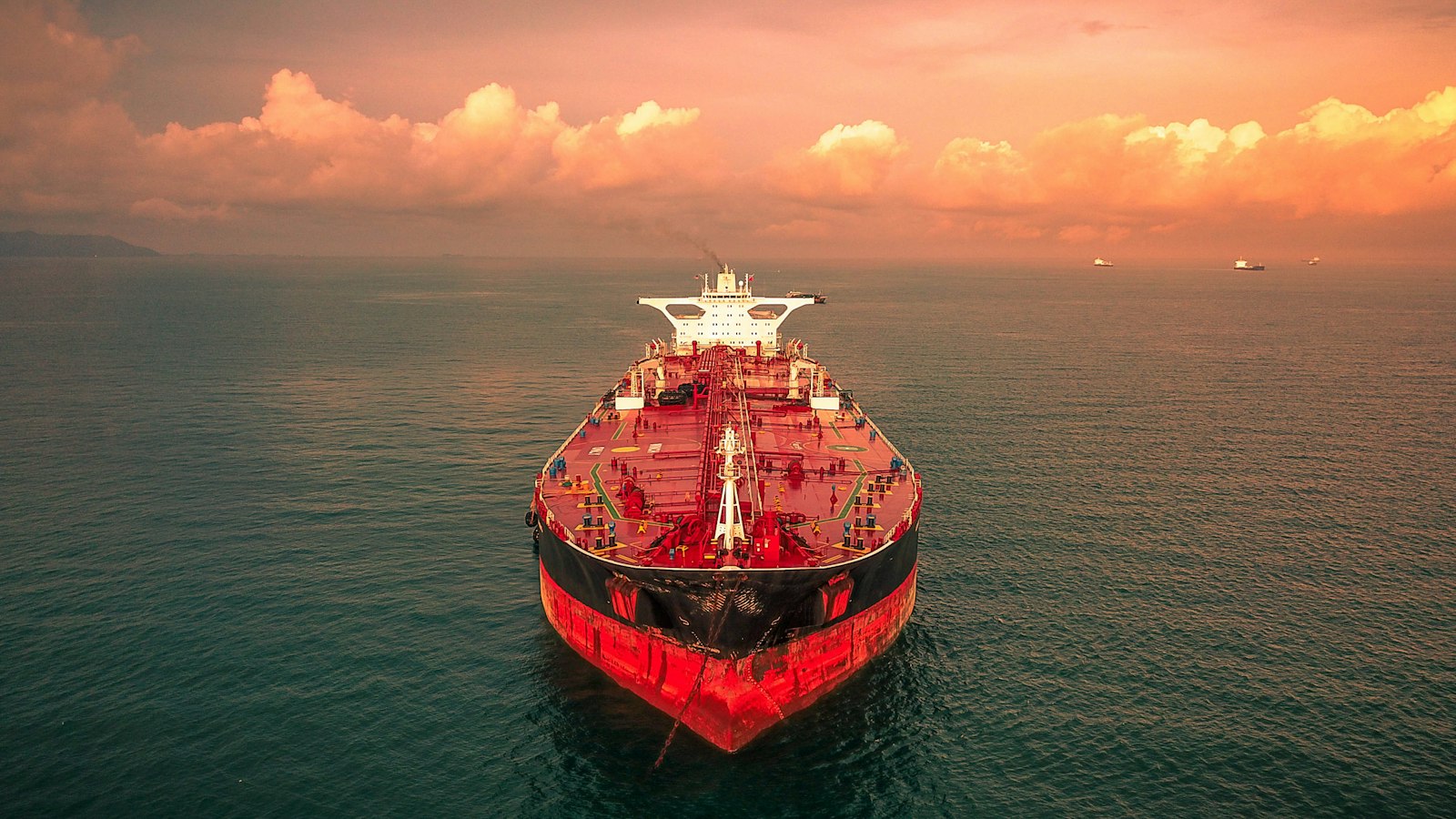
Explosions, burning tankers and a claimed attack on a US radar base. Tension in the Strait of Hormuz – the narrow waterway that carries around a fifth of the world’s oil and gas – has flared again this week, and families in the west of Ireland could feel it at the pump and in the oil tank.
What happened in the Strait of Hormuz
Iran’s Islamic Revolutionary Guard Corps (IRGC) navy said today that a tanker carrying liquefied natural gas struck a naval mine and exploded while using what it called an “unauthorised and dangerous route”. It said four oil tankers had been hit by explosions in the strait on Wednesday and Thursday after ignoring warnings, according to a security briefing from Just Security citing AP.
The IRGC also claimed it destroyed a US early-warning radar in Bahrain, saying it was retaliation for a US strike on a telecoms pole in the Iranian port of Sirik.
Important: these are Iranian claims. Many of the IRGC’s statements this year have not been independently confirmed, and the US military has previously denied some of them.
A year of chaos at sea
This is not new. Iran closed the strait to commercial traffic in late February after US and Israeli strikes, according to the ESRI. Since then there has been a pattern of gunboat attacks, mines and burning tankers, and shipping has never fully returned to normal.
What it means for prices in Ireland
Ireland doesn’t get much of its fuel directly through Hormuz, but oil is priced globally – so we pay the price when it spikes.
- In late September, diesel was close to €2.15 a litre at many forecourts and petrol had passed €2, according to The Irish Times.
- Those prices already include temporary excise cuts of 32c on diesel and 27c on petrol. Without them, diesel would be about €2.55.
- In a worst-case scenario, the paper said, pump prices could reach €2.30 or more before Christmas.
Crude oil is no longer the only problem. Damage to refineries in the Middle East means there’s not enough capacity to turn crude into diesel and petrol, which keeps prices high even when oil itself eases.
Why Connemara feels it more
In rural Connemara, most homes heat with kerosene and most journeys need a car. When home heating oil spiked by over 63% year on year in March, according to CSO figures cited by the ESRI, it was rural households who took the biggest hit.
If you’re filling the tank for winter, it’s worth shopping around, asking your supplier about smaller top-ups, and checking whether you qualify for the Fuel Allowance through Citizens Information.
What happens next
Much depends on whether the latest escalation calms down or spirals. Either way, the message from the industry has been consistent all year: don’t expect cheap fuel any time soon.
Sources: Just Security, The Irish Times, ESRI.
Main image: Fredrick F. / Unsplash
Leave a Reply