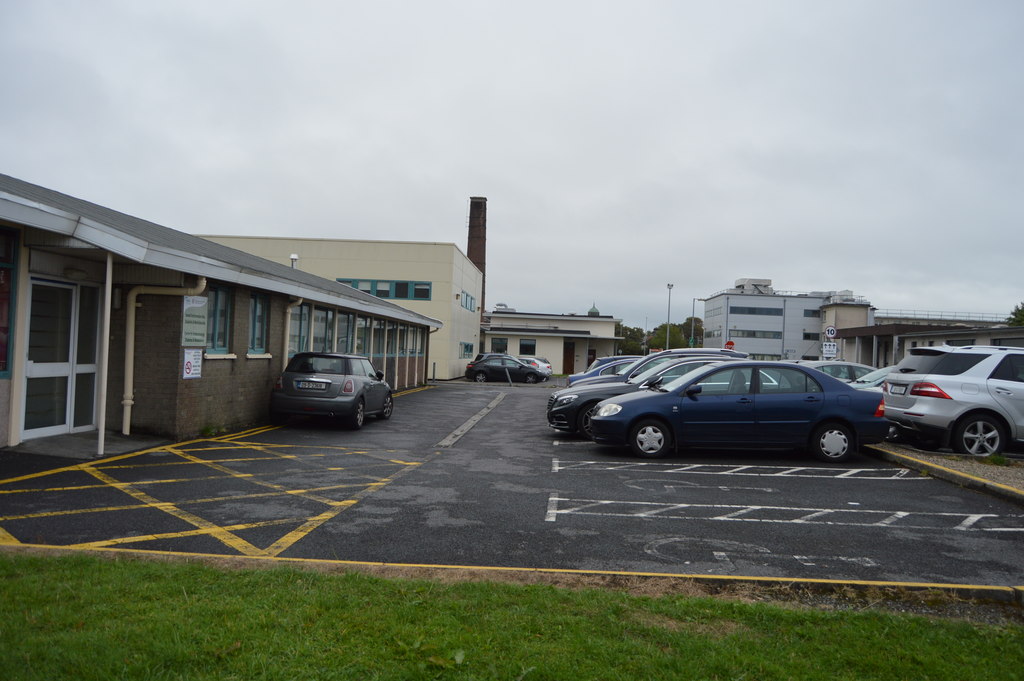
October 2026 was the worst October on record for overcrowding in Irish hospitals, according to new figures from the Irish Nurses and Midwives Organisation (INMO), with 12,672 patients treated on trolleys, on chairs or in corridors over the 31 days.
The union’s monthly count, released on Sunday, means roughly 111,000 people have been treated without a proper bed in the country’s acute hospitals so far this year, with two months of winter pressure still to come.
For readers in the west, the numbers are stark. University Hospital Galway (UHG) logged 1,106 patients treated outside a bed in October, the highest figure for that month in ten years and a 71% jump on October 2016, according to INMO figures reported by Galway Bay FM.
Where the pressure is worst
The INMO named three hospitals as the worst affected last month. University Hospital Limerick, which has topped the trolley tables for years, had 1,675 patients waiting without a bed. Cork University Hospital recorded about 1,200, and UHG was close behind.
The problem is not confined to the big regional centres. In the north west, Sligo University Hospital recorded 951 patients without a bed, the fifth-highest total nationally and up from 758 a year earlier, according to Ocean FM. Letterkenny University Hospital had 701, almost unchanged on last October.
To put October’s national total in context: four years ago, in October 2022, the INMO counted 10,679 people without a bed and described that as the second-worst October it had recorded. This year’s figure is around 2,000 higher.
Union blames recruitment freeze
INMO general secretary Phil Ní Sheaghdha called the situation “a complete crisis”, according to RTÉ News. She argued that patients cared for on trolleys or chairs can expect worse health outcomes than those who get a bed, and said measures being taken by Government and the HSE will make matters worse rather than better.
READ MORE
- Trolley Crisis: 824 Patients Left Waiting for Beds as UHG Warns It Is ‘Extremely Busy’ With Flu and Covid
- ‘Not what we asked for’: Cork consultants hit back as Health Minister orders new Hiqa probe into CUH, where 90 patients waited for beds in a single day
- Covid reckoning: Ireland’s pandemic verdict finally due within weeks after review sits down with Varadkar, Holohan and Martin
The union’s central demand is that the Department of Health reverse what it describes as a recruitment freeze on vacant posts. Ní Sheaghdha warned that without targeted investment, staff and services would be stretched to breaking point.
The October figures follow a run of grim weekly counts. Late last month the INMO said overcrowding had reached its highest level of the year, and UHG had already warned the public that it was extremely busy, with flu and Covid-19 adding to demand.
What it means for you
If you need emergency care this winter, the figures suggest you could face a long wait, particularly in Limerick, Cork and Galway. The HSE’s standing advice is to keep emergency departments for genuine emergencies, and to contact your GP, GP out-of-hours service or a local injury unit for less serious problems.
Vaccination is the other practical step health officials stress. Under the HSE’s 2026-2027 winter programme, the flu and Covid-19 vaccines are free for everyone aged 60 and over and for people with certain medical conditions or weakened immune systems. The flu vaccine is also recommended for pregnant women and healthcare workers, and a nasal flu vaccine is free for children aged two to 17 through participating GPs and pharmacies.
The HSE says last winter Ireland recorded around 25,000 confirmed flu cases, almost 6,000 hospitalisations and more than 300 deaths among people with confirmed flu. Each of those hospital admissions competes for the same limited bed space now under strain.
What happens next
November and December are traditionally when respiratory viruses climb and hospitals feel the squeeze hardest, and the peak of the trolley season usually comes in the new year. The INMO publishes daily TrolleyWatch counts and will release its November total at the start of December.
Pressure is also building on the political side. Nurses’ representatives have tied the overcrowding crisis to staffing levels and pay, and the union is expected to keep pushing for the recruitment restrictions to be lifted. The Department of Health and the HSE had not, in the reports we reviewed, set out a detailed response to the October figures.
We will update this story if the HSE or the Minister for Health responds.
Sources
- RTÉ News: October worst on record for overcrowding, says INMO (1 November 2026)
- Galway Bay FM: October hospital overcrowding at UHG at highest level since 2016 (1 November 2026)
- Highland Radio: 701 patients on trolleys in Letterkenny University Hospital last month (1 November 2026)
- Ocean FM: SUH among most overcrowded for the month of October (1 November 2026)
- Echo Live: More than 10,000 patients went without hospital beds in October (30 October 2022)
- HSE: HSE launches 2026-2027 Winter Vaccination Programme (8 October 2026)
Featured image: University Hospital Galway – geograph.org.uk – 6424435 by N Chadwick, CC BY-SA 2.0, via Wikimedia Commons.