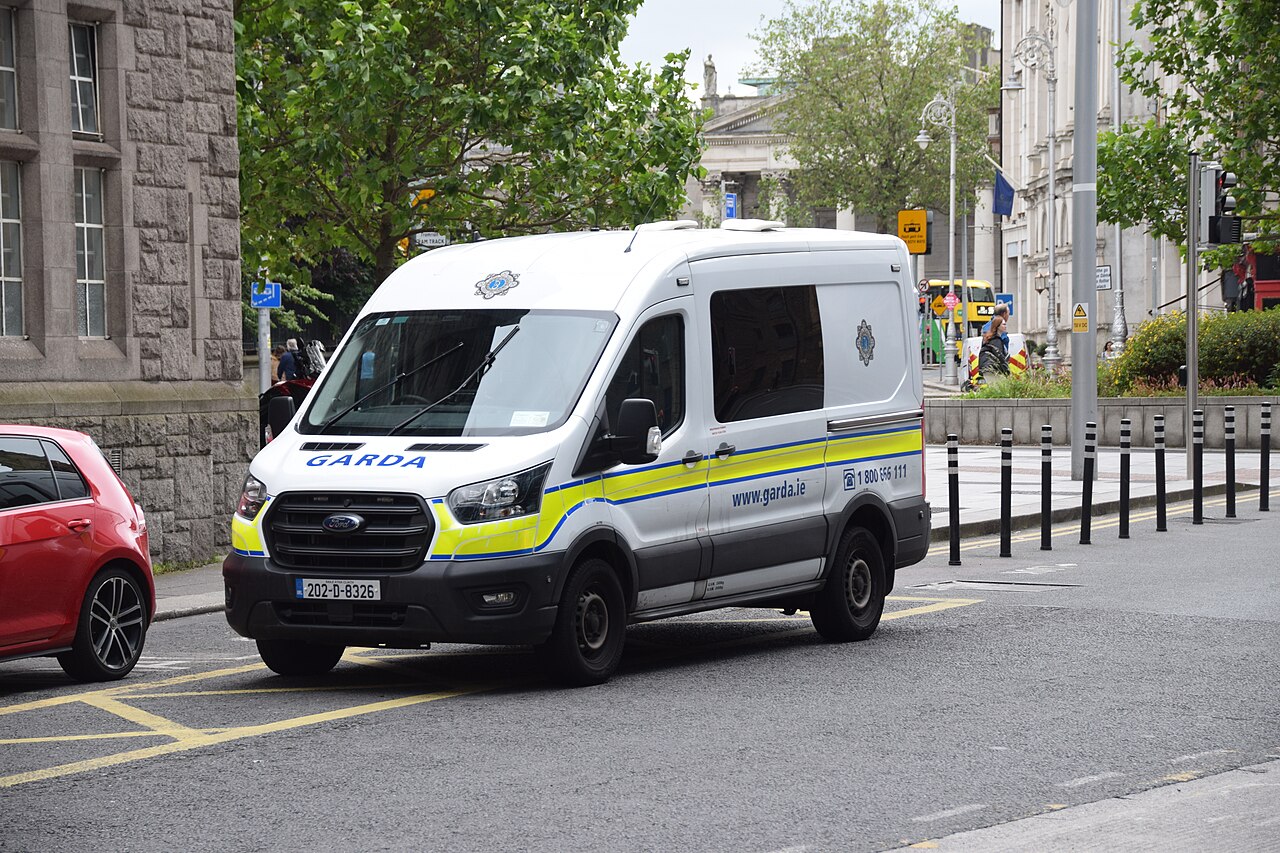
Rank-and-file gardaí are set to work to rule for five days next month, just as Dublin hosts some of the biggest diplomatic gatherings of Ireland’s EU Presidency, in an escalating row over overtime, rest days and working hours.
The Garda Representative Association (GRA), which represents about 11,600 gardaí, has directed members to take the action from Tuesday 10 November to Saturday 14 November. That window covers the European Political Community (EPC) meeting in Dublin on 12 November and an informal meeting of EU heads of state or government the following day.
What the work-to-rule means
Under the GRA directive, members in the Dublin Metropolitan Region (DMR) are to report to their home station at the start of each shift and wait to be transported to their point of duty, rather than making their own way there. Members based within 100km of their duty points in the DMR and Shannon are to do the same, and those stationed further away have been told not to use their private vehicles to get there.
GRA president Niall Hodgins told RTÉ’s Morning Ireland that the public should notice little difference, because gardaí will still turn up for work and will be acting within their rights under their Working Time Agreement. But the move is plainly designed to show how much the force’s major-event operations depend on the goodwill of members.
A GRA survey found that 94% of those who responded were unhappy with what the association calls management’s continued breaching of the working-time agreement and were willing to take industrial action. According to The Irish Times, turnout was between 45% and 47% of members.
‘A very dark day’
The association says Garda management signed up to the Working Time Agreement two years ago but has since ignored its rules on start times, compensatory rest and rostered days off, in breach of that agreement and the European Working Time Directive. Mr Hodgins urged Commissioner Justin Kelly to stop what he described as “trampling over the rights” of gardaí, and called it a very dark day for industrial relations in the force.
He said the Commissioner had declared days such as St Patrick’s Day and Halloween to be “extraordinary events”, obliging members to work them on top of EU Presidency duties, and cited the case of two garda parents who had both had their days off cancelled.
READ MORE
- Strike Warning: Schools Face Shutdown Again on 11 November as Public Sector Pay Talks Go Down to the Wire
- Liffey gun hunt: cyclist points weapon at three gardaí, including a trainee, then hurls it into river and escapes
- Talks COLLAPSE into ‘impasse’: Schools face second shutdown on 11 November as pay row is handed to Kevin Foley’s group, and here’s what parents need to know
GRA general secretary Ronan Slevin has said some members are working 20, 25 or even 30 hours above their scheduled weekly hours, and that gardaí have been asked to work up to 16 hours a day for four days in a row, including travel. The association also wants improved subsistence and travel payments which it says were agreed through the Workplace Relations Commission.
Commissioner: overtime will be cut
In a statement, Commissioner Kelly said overtime would be reduced in response to the GRA’s complaints, but only once the force gets through its upcoming major events, including the EPC meeting. He said he had discussed the matter with the deputy commissioner in charge of policing operations.
Mr Kelly pointed to a year of heavy demands on the force, including the visit of US President Donald Trump in September, several large investigations and the EU Presidency itself, and praised members’ professionalism. Speaking in Cavan, he said he was “not unsympathetic” to members, but described supporters of the action as a minority, about a quarter of the organisation, and said he was confident gardaí would put their shoulders to the wheel for the EPC meeting.
Gardaí are prohibited by law from going on strike, which is why the association’s options are limited to measures such as working strictly to rule.
What happens next
The GRA’s executive was due to meet on Monday morning, with legal counsel, to consider what it called further accelerated action, up to and including a withdrawal of services. Mr Slevin has said the current motion does not rule out further steps.
Unless there is a breakthrough, the work-to-rule will begin on 10 November. Security planning for the EPC meeting and the leaders’ summit, which will bring dozens of European heads of government to Dublin, is already well advanced, and Garda management will be watching closely to see whether the action affects how quickly officers can be deployed.
The dispute comes as wider public service unions also weigh industrial action over pay, adding to pressure on the Government in the weeks ahead.
Sources
- RTÉ News: Commissioner ‘trampling over rights’ of gardaí, says GRA (30 October 2026)
- The Irish Times: Rank-and-file gardaí to engage in work-to-rule during EU presidency meetings next month (29 October 2026)
- TheJournal.ie: Garda overtime to be ‘soon’ reduced after complaints from GRA, says Garda Commissioner (29 October 2026)
Featured image: Garda police car Ireland 03 by Dickelbers, CC BY 4.0, via Wikimedia Commons.