
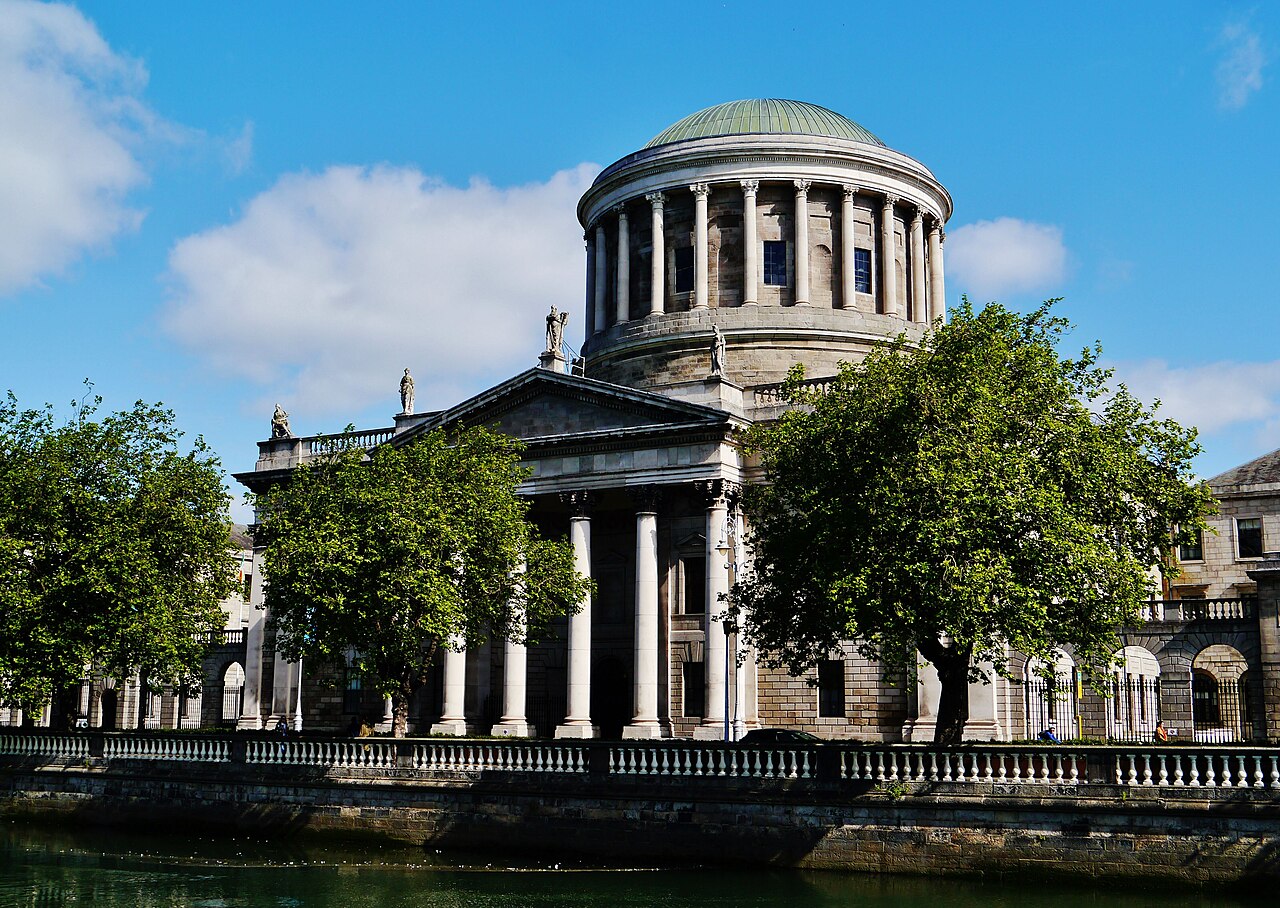
Veteran Dublin criminal Martin “The Viper” Foley turned up at the High Court this week ready to fight for his home, only to be told his case could not go ahead because there was no judge free to hear it.
Mr Foley (75) is challenging a Circuit Court order that allows the Criminal Assets Bureau (CAB) to sell his house on Cashel Avenue in Kimmage, Dublin 12, over unpaid taxes. CAB has assessed him as owing more than €916,000 for the decade up to 2000, a debt that has been described as approaching €1 million.
‘Unfortunate’ delay
The case was listed for hearing on Thursday, 29 October, and Mr Foley was present. But Mr Justice Anthony Barr told the court it was unfortunate that the matter could not proceed due to the unavailability of judges, according to reports by RTÉ and The Irish Times. The case was adjourned to Monday, when a fresh attempt will be made to find a judge to hear it.
The hold-up is a small but telling illustration of the pressure on court resources, which has drawn repeated comment from the judiciary and legal practitioners in recent years.
A home, a loan and an offer
The dispute has been running for some time. In 2024, the Circuit Court granted a possession order against Mr Foley and gave him an 18-month stay to find somewhere else to live. He has since taken his challenge to the High Court.
Last month, he offered what was described as a substantial sum to halt the sale. He has told the court he secured a €200,000 loan from a private individual to fund payments to CAB, and that he is willing to keep paying instalments if he is allowed to stay in the house.
Mr Foley has argued that he inherited the house from his mother and that it is not the proceeds of crime. He has also claimed he was led to believe CAB and the Revenue Commissioners had agreed not to pursue the tax bill as part of a deal he had made with them. He says he works two days a week as a van driver, struggles to get by on his pension, and that his wife receives a disability payment. He says the couple have no other assets.
Lawyers for CAB have countered that the question of where the house came from is beside the point, because the case concerns only the unpaid tax bill. CAB has tax powers that allow it to pursue income it believes was not declared, regardless of how the asset itself was acquired.
Who is Martin Foley?
Mr Foley is one of the best-known figures from Dublin’s gangland past. He was a member of the gang led by Martin “The General” Cahill, and has about 60 criminal convictions, including for assault, robbery and weapons possession. He has survived several attempts on his life over the decades, which earned him a reputation as one of the city’s great survivors.
His long-running battles with CAB have become something of a test case for how far the bureau can go in recovering tax from older figures in the criminal world, many years after the income in question was earned.
What happens next
The case returns to the High Court on Monday, 2 November, when the court will again try to find a judge to hear it. If it proceeds, the court will consider Mr Foley’s challenge to the Circuit Court order permitting the sale.
If he loses, CAB will be free to proceed with selling the Kimmage property to recover the tax owed. If he succeeds, or if a payment arrangement is agreed, he may be able to stay in the house. CAB has not publicly said whether it would accept his offer of further instalments.
Sources
- RTÉ News: Foley’s case to stop CAB seizing home adjourned to next week (29 October 2026)
- The Irish Times: Martin ‘The Viper’ Foley’s High Court case adjourned due to lack of available judges (29 October 2026)
Featured image: Dublin Four Courts 10.jpg by Zairon, CC BY 4.0, via Wikimedia Commons.
Leave a Reply