
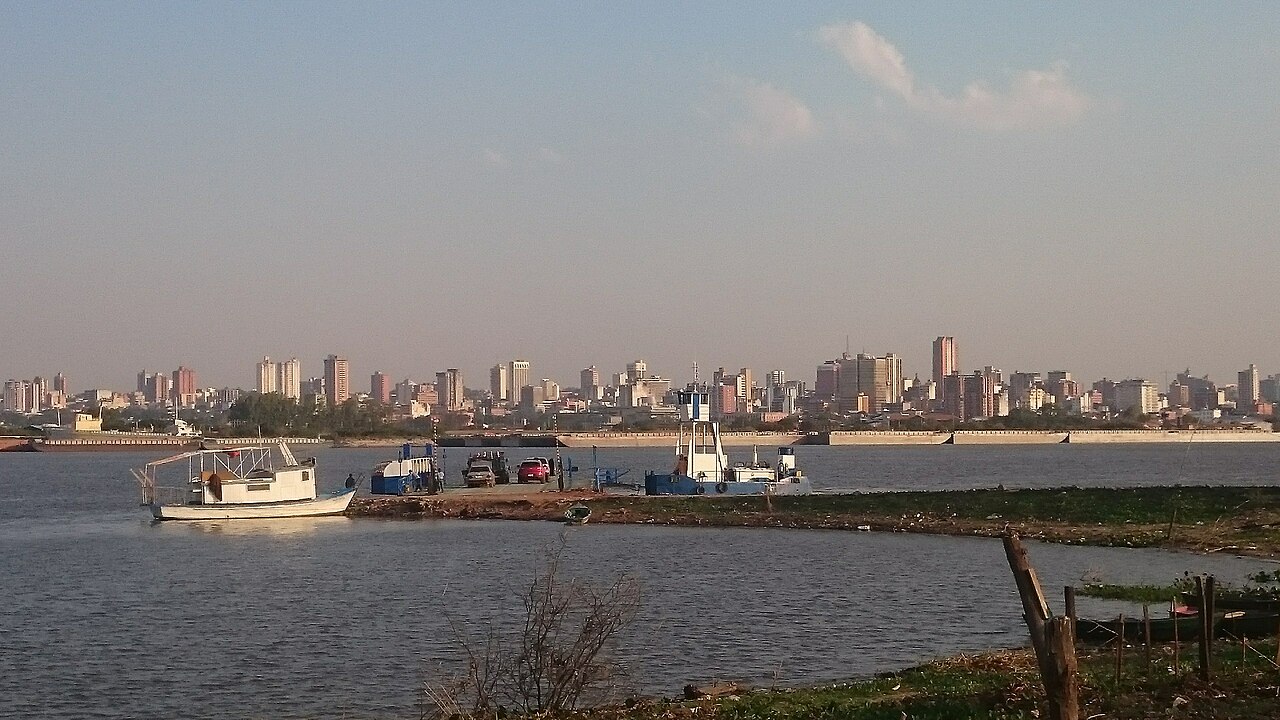
Imagine waking up, opening your banking app and finding it frozen. No transfers. No withdrawals. No wages. That is exactly what happened to around three million people in Paraguay this week, after the country’s central bank seized Ueno Bank, the fast-growing digital lender that had become one of the biggest names in the country’s banking system.
The Paraguay bank collapse has sparked street protests, the resignation of the central bank’s own chief, arrest warrants for eight bank officials and calls to impeach the country’s president. It has also raised an uncomfortable question for savers thousands of miles away: could a bank failure like this ever happen in Ireland, and if it did, would your money be safe?
What happened at Ueno Bank?
According to the Associated Press report on the seizure, the Central Bank of Paraguay’s board voted unanimously late on Monday, November 2, to place Ueno Bank into “resolution” after its solvency ratio fell below half the legal minimum. The takeover was announced in the early hours of Tuesday, November 3.
Resolution means regulators take control of a failing bank, freeze its services and work out what to do with its deposits and assets. For customers, that meant being locked out overnight. On Tuesday, people could not withdraw or transfer money, and crowds gathered outside shuttered branches in the capital, Asunción.
The scale is staggering. Ueno says it has about three million customers, roughly 60% of Paraguay’s adult population. The bank also managed an estimated $800 million to $850 million in public money, including about $380 million from IPS, the state pension and health fund.
“This really tarnishes the country’s name.”
Ueno depositor Víctor González, speaking to AP
Why the Ueno collapse has become a political storm
This is not just a banking story. Ueno is majority-owned by Grupo Vázquez, and President Santiago Peña held shares in its holding company until March 2025, according to Latin Times. Peña has denied being a shareholder or investor in the bank itself, and the bank maintains that position.
The awkward links did not stop there. The central bank’s governor, Carlos Carvallo, chaired Financiera Ueno, the bank’s predecessor, from 2021 to 2023 before Peña appointed him to run the regulator. The central bank says he recused himself from every Ueno decision. Peña has now asked him to resign. Carvallo has signed his resignation but is staying on temporarily to oversee the takeover, saying the central bank “needs calm to do its job”.
Peña cancelled a trip to an international summit in Spain and promised accountability on social media:
“Those responsible will have to answer to the courts, without exceptions or privileges.”
President Santiago Peña
Prosecutors ordered the arrest of eight people, including Ueno president Juan Manuel Gustale and chief executive Federico Miguel Vázquez Villasanti, as part of an investigation into suspected breach of trust and other offences. These are allegations at this stage, and no one has been convicted. Opposition senators say they will try to impeach Peña, although his Colorado Party controls both houses of Congress, so that faces a difficult path.
READ MORE
- Revolut DOUBLES its grip on Irish wallets as nearly half of us now use it
- FBI blames North Korea for record $6bn Binance heist as withdrawals restart
- WINTER BILLS WARNING: Irish inflation hits 4% as energy prices soar 18% in a year
The warning signs before the fall
Ueno did not collapse without warning. AP reports that the ratings agency Fitch moved the bank’s outlook to negative last month, citing rapid growth and a high level of intangible assets on its balance sheet. Back in June, the central bank had warned Ueno about lending too much to companies tied to its owners.
Less than a week before the seizure, the bank announced plans to raise $100 million in fresh capital. It was too little, too late.
Paraguay has been here before. In 1995, the failure of more than half of the country’s banks wiped out the savings of thousands of people, as Tiempo Argentino recalls.
Will Paraguayan savers get their money back?
Most will, eventually. Paraguay’s deposit guarantee fund covers up to 228.3 million guaraníes per person, about $38,000. Preliminary central bank estimates say that fully covers around 97% of depositors.
Under Paraguayan law, that money should be paid within 15 days, a deadline that can be extended once by another 15. Depositors are first due to receive up to 10 million guaraníes (about $1,700), minus anything they owe the bank, but no date has been set. Anyone holding more than the guaranteed amount has only been promised “the greatest possible protection”, not full repayment.
The state pension fund says pensions will be paid as normal, with around 32,000 retirees who were paid through Ueno being moved to another bank. It plans legal action to recover its investment. Peña has agreed with congressional leaders to fast-track a law on depositor payouts and the return of public money.
Could a bank collapse like this happen in Ireland?
Nobody can promise that a bank will never fail. Ireland learned that the hard way in 2008, when the banking crash forced the State into a blanket guarantee and a bailout that took years to pay off.
But the safety net for ordinary savers here today is very different from Paraguay’s. Under Ireland’s Deposit Guarantee Scheme, run by the Central Bank of Ireland, eligible deposits are protected up to €100,000 per person, per institution. That covers current accounts and savings accounts in banks, building societies and credit unions authorised in Ireland. Irish banks say the scheme aims to pay out within seven working days.
That limit was not always so generous. The scheme originally covered just €20,000, and was raised to €100,000 during the 2008 crisis, according to a Dáil answer from the Minister for Finance.
Paraguay’s guarantee, by contrast, covers about $38,000, less than half the Irish limit, and its payout window is up to 15 days, with a possible extension.
The Central Bank’s latest health check is also reassuring, though not complacent. Its Financial Stability Review in May said Ireland’s financial system is “starting from a position of strength, but that resilience must be protected”. There is nothing to suggest any Irish bank is in trouble like Ueno.
The digital banking question every Irish saver should ask
Here’s the twist many people miss. Ueno was a digital bank that grew at breakneck speed through its app, and app-based banking has exploded in Ireland too. Revolut is now used by nearly half of Irish adults, and more people than ever treat it as their main account.
That’s not a reason to panic. But it does matter which country’s scheme protects you. Revolut operates in Ireland under a Lithuanian banking licence, so eligible deposits are covered by Lithuania’s deposit insurance scheme, also up to €100,000, rather than the Irish one. Money held in an e-money account, rather than a bank deposit account, is protected differently, through “safeguarding” rules.
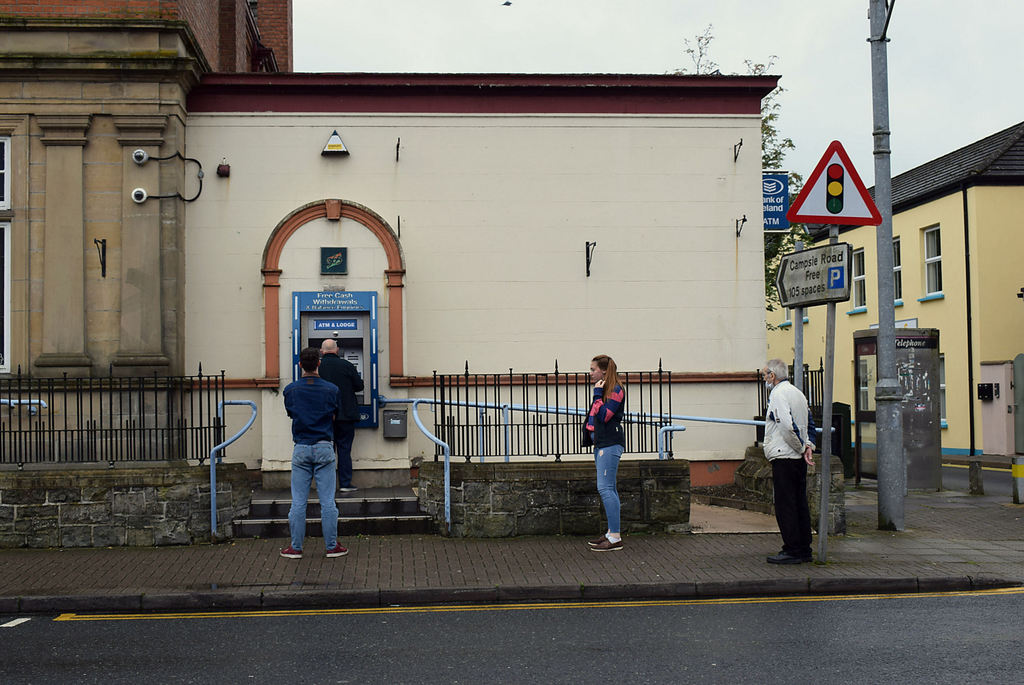
Are you prepared? Five simple steps to protect your money
The lesson from Paraguay is not that your bank is about to collapse. It’s that being locked out of your money for even a few days can turn life upside down. A few simple checks can make a big difference:
- Know your limit. The €100,000 guarantee is per person, per institution. If you have more than that saved, spreading it across separate banking groups keeps more of it protected.
- Check who protects you. Your bank must tell you which deposit guarantee scheme covers your account, and it’s usually on your statement. Find out whether it’s the Irish scheme or another EU country’s.
- Have a second account. If your main account is suddenly frozen, whether by a bank failure, an IT outage or a cyber attack, a second account with a different provider means you can still pay bills and buy food.
- Keep a little cash at home. A small emergency fund in cash is useful in any crisis, from a bank glitch to a power cut that knocks out card payments.
- Watch for warning signs. Ueno’s downgrade and regulator warnings came months before it fell. If an institution offers rates that look too good to be true or keeps making negative headlines, take note.
What happens next in Paraguay?
All eyes are now on the payout deadline, the criminal investigation into Ueno’s former bosses and whether the impeachment push against Peña gets anywhere. The central bank insists the collapse is an isolated event, but Paraguay’s hard-won reputation as a stable place to invest has taken a serious knock.
For Irish readers, the story is a timely reminder rather than a reason to rush to the ATM. Ireland’s safety net is stronger than it was in 2008 and stronger than Paraguay’s today. But it pays to know exactly how your money is protected before you ever need to find out.
Sources: Associated Press, Latin Times, Deposit Guarantee Scheme (Central Bank of Ireland), RTÉ.
Leave a Reply