Ryanair has taken a heavy hit from the oil shock linked to the conflict in the Middle East. The Dublin-based airline said on Monday that profit after tax fell 15% to €2.15bn in the six months to 30 September, down from €2.54bn a year earlier. That is roughly €390m wiped off the bottom line, even though it carried more passengers than ever.
The figures matter well beyond the stock market. Ryanair is the airline most Irish holidaymakers, students and emigrants depend on, and its outlook for fares next year was blunt.
Where the money went
Ryanair’s revenue rose 3% to just over €10bn over the April to September period, and passenger numbers grew 6% to about 125.8 million, according to the Irish Examiner. Costs were the problem. Operating costs jumped 10%, driven largely by fuel.
The airline had hedged about 80% of its fuel at $67 a barrel until the end of March. That protection softened the blow, but the Irish Times reported that the cost of the remaining unhedged 20% roughly doubled. Ryanair also lost the supplier compensation it had been receiving while waiting for delayed Boeing aircraft, now that the last of its 737 “Gamechanger” jets has arrived.
At the same time, average fares fell 4%. Chief executive Michael O’Leary blamed the conflict for making customers hesitant and pushing bookings later.
What it means for your fares
For the coming winter, the picture is mixed. Ryanair says demand for the October to December quarter is strong and fares are trending slightly ahead of last year. However, bookings are being made closer to departure, so the airline says it cannot see far ahead. It said fares in this period will depend heavily on mid-term and Christmas bookings, and O’Leary said the group has “zero quarter four visibility” for January to March, which he described as normal at this stage.
READ MORE
- Aeroplane mode is dying: easyJet to put Starlink wifi on every jet in stunning U-turn – but Ryanair says no
- Pay rise showdown looming? Twice as many big firms now brace for staff demanding more money, ECB survey reveals
- BOMB HOAX CHAOS: Ryanair jet from Manchester among four flights hit by threats in a single day
The bigger warning is for summer 2027. Ryanair’s cheap fuel hedges run out before then, and it estimates its fuel bill could rise by about €2bn in the financial year starting in April 2027, based on current forward prices. O’Leary said jet fuel is likely to stay expensive well into 2027 unless the Middle East conflict is resolved quickly.
The airline expects European short-haul fares to rise “materially” next summer, helped by rivals cutting capacity. It also said higher fares alone are unlikely to cover the extra fuel cost. In plain terms, travellers planning a sun holiday or a trip home next summer should expect to pay more than this year, although nobody can say yet by how much.
Ryanair has also trimmed its full-year passenger target from 216 million to 214 million. The Irish Examiner reported that this reflects fewer winter flights, as the airline limits its exposure to unhedged fuel. Passengers on quieter winter routes may find fewer options.
Pay freezes and cost cuts on the table
Staff could feel the squeeze too. According to the Irish Times, Ryanair is reviewing all of its costs, including airport charges. Options include pay freezes as existing labour agreements expire, lower crewing ratios and greater use of artificial intelligence in back-office and support roles. These are options under review, not confirmed decisions.
The airline is also continuing to shift aircraft away from markets it sees as high-tax, naming Austria, Germany and regional Spain, and towards countries cutting aviation taxes and fees.
What happens next
Ryanair expects its first 16 Boeing 737 MAX-10 aircraft next spring and is targeting more than 220 million passengers in its next financial year. Its pricing for summer 2027 will depend largely on where oil prices settle over the winter, which in turn hangs on events in the Middle East.
For consumers, the practical message is simple. Christmas fares look broadly in line with last year, with a modest rise. Summer 2027 is likely to be dearer. If your dates are fixed, comparing prices early and watching for seat sales could help, but there is no guarantee prices will move in any particular direction. This is general consumer information, not financial advice.
Sources
- Irish Examiner: Soaring fuel costs and lower fares sees Ryanair profit fall 15% this year (2 November 2026)
- The Irish Times: Ryanair weighs cost cuts to counter high fuel bills (2 November 2026)
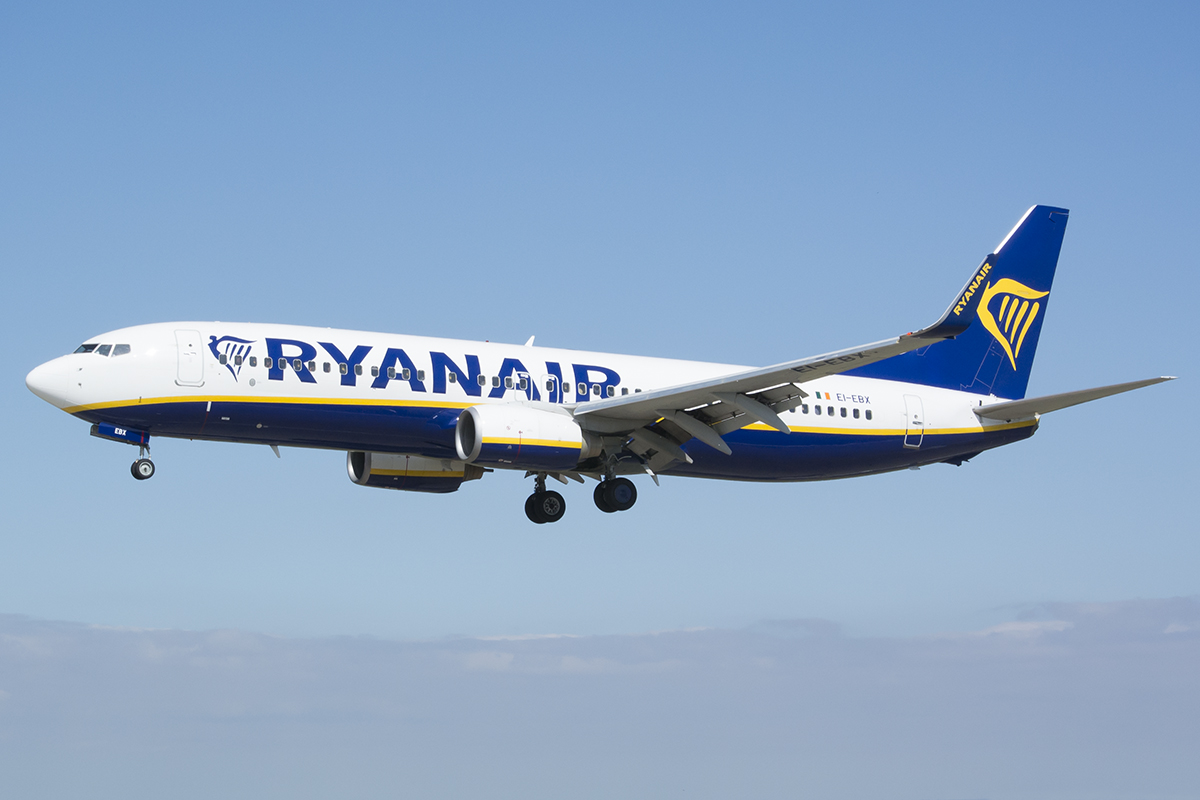
Featured image: Ryanair Boeing 737-800 EI-EBX by Michael Oldfield, CC BY-SA 4.0, via Wikimedia Commons.