
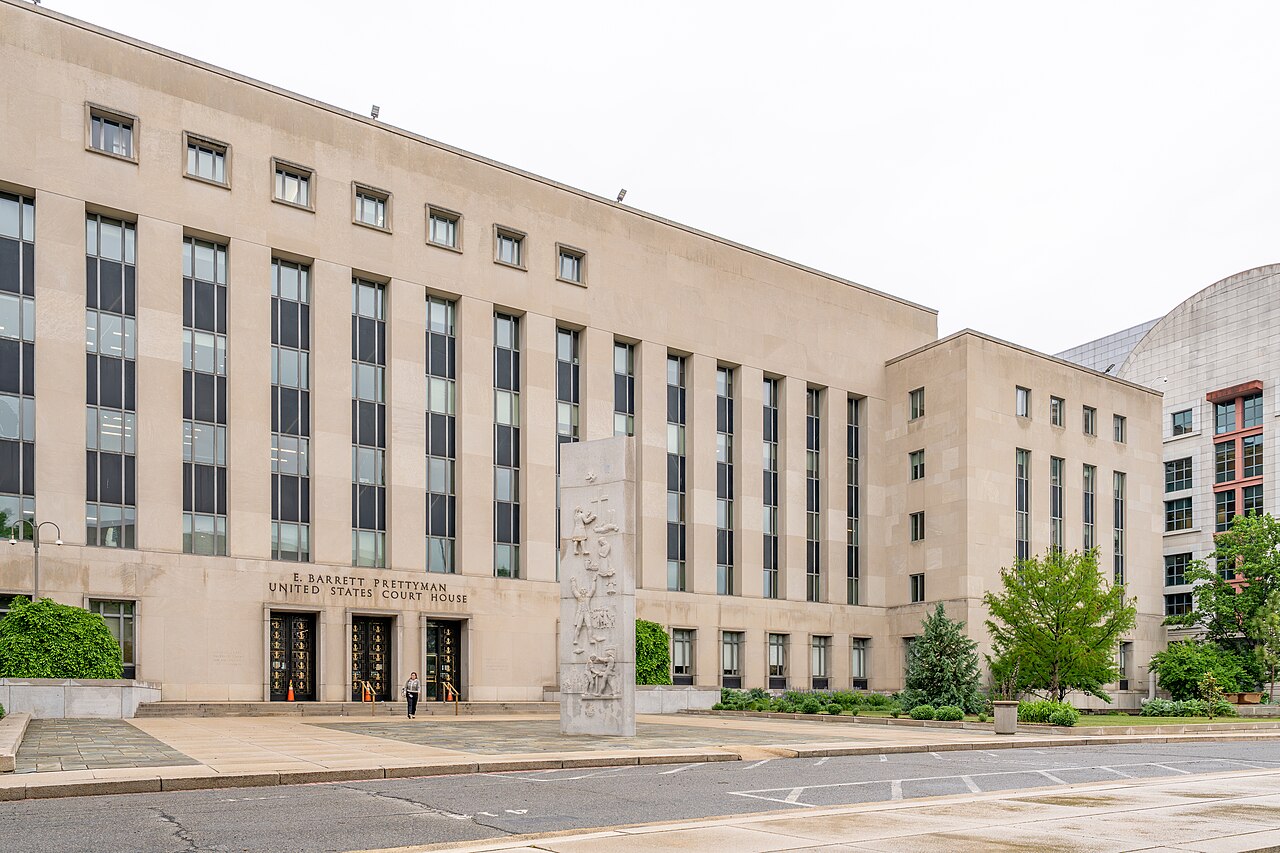
Former FBI director James Comey went back to court on Friday to try to kill off the third criminal case the US Justice Department has brought against him in 13 months, and the judge hearing it had some sharp words for the government.
US District Judge Trevor McFadden heard almost two hours of argument on Comey’s request to dismiss allegations that he mishandled classified information during his time running the FBI, ABC News reported. The judge did not rule from the bench. Comey denies wrongdoing and has not been convicted of any offence.
What Comey is accused of
According to court records unsealed in the case and described by ABC News, prosecutors allege that Comey had FBI staff pass information to a New York Times reporter for an article published on 5 October 2016 about Yahoo and email surveillance. Prosecutors say the aim was to correct an earlier Reuters story, and they claim the effect was that classified information was illegally passed on.
Those are allegations only. They have not been tested in court, and Comey’s lawyers are asking the judge to throw them out before they ever reach a jury.
The legal row: an ‘information’ instead of a grand jury
The heart of Friday’s argument was not about what happened in 2016, but about how the government has chosen to bring the case. Rather than ask a grand jury to return an indictment, prosecutors filed what is known as a criminal information, a charging document that does not need a grand jury’s approval.
Comey’s legal team argues that this was used to stretch the statute of limitations, the legal time limit for bringing charges over events that took place around a decade ago. Justice Department lawyer Dustin Farahnak told the court that investigators had found evidence dating to April 2017, which he argued could push the charging window out by roughly six months, according to ABC News.
Judge McFadden acknowledged the trouble the department has had persuading grand juries to approve charges in recent high-profile cases. Turning an old legal saying on its head, he quipped that “ham sandwiches are harder to indict these days”, ABC News reported.
Comey’s lawyers also told the court that FBI agents had repeatedly been parked outside his home without explanation. The judge warned the government that he would be very unhappy with any surprise arrest, saying he would be extremely frustrated by any so-called dawn raid. Mr Farahnak assured him that would not happen.
Third time in 13 months
The classified-information case is the third known attempt by the federal government to charge Comey since September 2025, when he was indicted on charges of making a false statement and obstruction linked to his 2020 testimony to the Senate Judiciary Committee. He pleaded not guilty, and that case was later dismissed after a court found the US attorney who brought it had been improperly appointed.
In April of this year he was indicted in North Carolina over a 2025 Instagram post showing the numbers “86 47” spelled out in seashells, which prosecutors say amounted to a threat against President Donald Trump, the 47th president. Comey took the post down and has denied that he meant any violence. His next court date in that case is in January, according to ABC News.
Comey, who was fired by Mr Trump as FBI director in 2017, has long been one of the president’s most prominent critics. His supporters argue the repeated prosecutions are political; the administration says it is enforcing the law. Those competing claims are likely to feature heavily as the cases move forward.
What happens next
It is not clear whether Judge McFadden will rule before next Thursday, which ABC News described as the effective deadline for prosecutors to obtain an indictment before the criminal information falls to be dismissed under the US Speedy Trial Act. If the judge throws out the information, prosecutors could still try to go to a grand jury, although the time-limit question would remain a major obstacle.
If the case survives, Comey would face a full prosecution in the classified-information matter alongside the separate North Carolina case due back in court in January. In both, he is presumed innocent unless and until proven guilty.
Connemara Journal will update this story when the judge rules.
Sources
- ABC News (via AOL): Judge warns DOJ against ‘dawn raid’ to arrest James Comey (30 October 2026)
- ABC News (via WJLX): Judge hears arguments over James Comey’s request to throw out latest DOJ allegations against him (30 October 2026)
Featured image: E. Barrett Prettyman United States Courthouse – 2026 (55266857098).jpg by ajay_suresh, CC BY 4.0, via Wikimedia Commons.
Leave a Reply