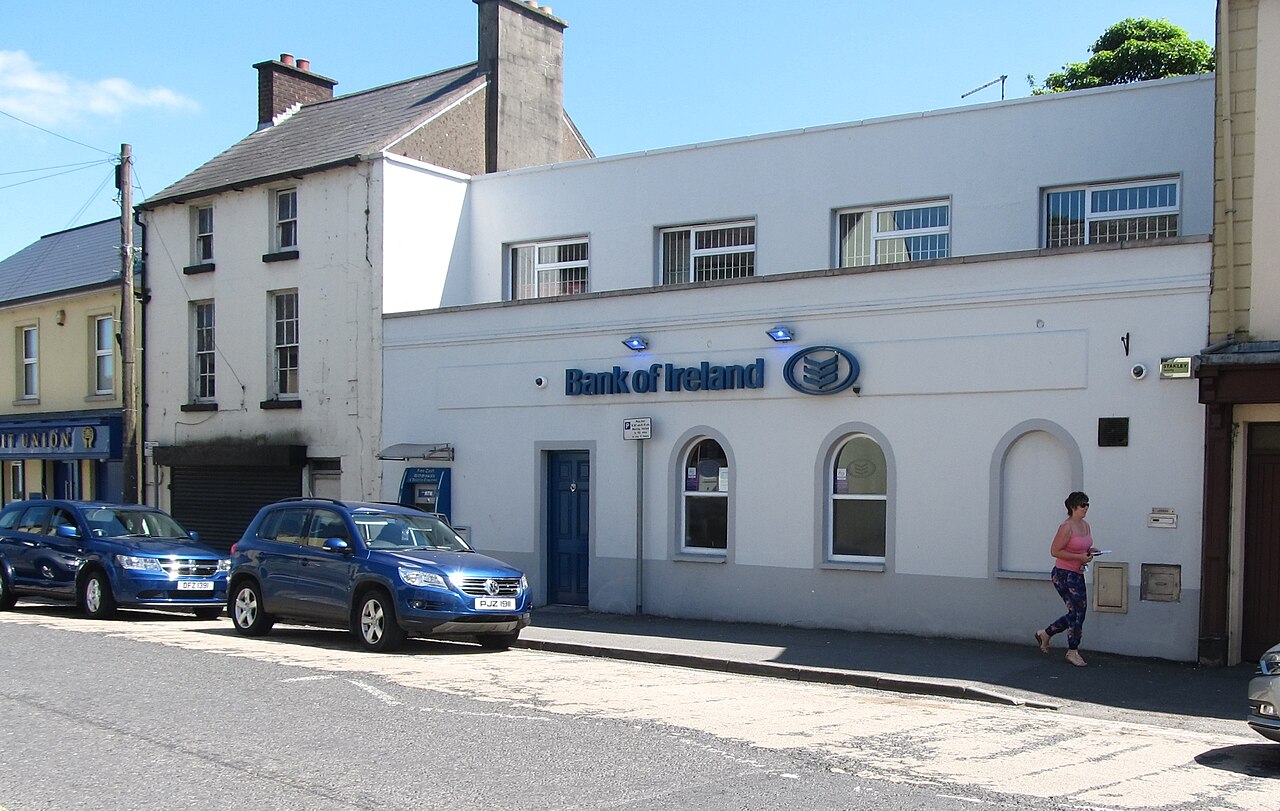
A 97-year-old woman who took out a €130,000 life loan with Bank of Ireland more than two decades ago would now need more than €455,000 to clear it, in a case that has prompted fresh scrutiny of equity release products aimed at older homeowners.
The case was set out by a relative of the woman in a reader query to The Irish Times personal finance column, published on Tuesday 27 October. It is now the subject of a complaint to the Financial Services and Pensions Ombudsman (FSPO).
What happened
According to the column, the woman, who is single and has no children, was 72 when she received correspondence from Bank of Ireland about a life loan in 2003. Her relatives say she had not asked for one. She needed around €30,000 but borrowed €130,000, and it is unclear why she took the larger sum. Around €100,000 was placed on deposit with the same bank, where it has remained.
A life loan is a form of equity release, also known as a lifetime loan. The borrower does not make monthly repayments; instead, interest is added to the debt and the whole amount is repaid when the borrower dies, sells the home or moves out permanently. Because interest is charged on interest, the balance can grow very quickly over long periods.
By June 2026, the amount needed to close the account stood at €455,081, the column said. The article does not give the interest rate charged, and the precise breakdown of how the balance built up has not been published.
The bank’s position
Bank of Ireland, which no longer offers this product, told the newspaper that the information provided clearly explained the terms of the loan and that independent legal advice was a requirement before any life loan was agreed. The woman did obtain independent legal advice at the time, the column noted.
READ MORE
- Bailout ghosts finally laid to rest? Harris plots €8bn early payback to Europe, and says it could save taxpayers €90m
- Mortgage squeeze begins: PTSB and MoCo hike home loan rates as brokers warn of a ‘tough winter’ for borrowers
The columnist, Dominic Coyle, said that under these products the bank typically agreed not to pursue the estate if the debt ended up larger than the sale price of the home, meaning the borrower would not leave a shortfall. Borrowing limits were set as a share of home value, rising with age.
The family have been seeking mediation since 2022 and complained to the FSPO in August 2025. In May 2026 the Ombudsman said a decision could take another 12 to 14 months.
Are life loans still sold in Ireland?
Equity release has not disappeared. The column notes that Spry Finance advertises similar lifetime loans on radio. For some older homeowners who are asset-rich but cash-poor, these products can provide money for home repairs, care costs or day-to-day living without having to move. But they are expensive over long periods, and they reduce what is left to pass on to family.
Before signing up to any equity release product, consumer advocates generally suggest asking:
- What is the interest rate, is it fixed, and what will the balance be after 10, 15 and 20 years?
- Can I borrow only what I need, or draw down money in stages?
- Is there a no-negative-equity guarantee in writing?
- What are the charges for early repayment?
- Have I talked it through with family and an independent adviser, not one linked to the lender?
Alternatives such as the State’s Fair Deal scheme for nursing home costs, grants for home adaptation, or downsizing may also be worth exploring.
What happens next
The FSPO’s decision on the complaint is not expected until 2027. If the Ombudsman finds in the woman’s favour it can direct redress, but each case is decided on its own facts. Anyone who believes they were mis-sold a financial product can complain first to the provider and then, if unhappy, to the FSPO, which is free to use.
This article is for information only and is not financial advice. Seek independent, regulated advice before taking out any loan secured on your home.
Sources
- The Irish Times: Life loan proves a millstone for 97-year-old pensioner (Q&A, Dominic Coyle) (27 October 2026)
Featured image: Bank of Ireland, Keady Branch – geograph.org.uk – 5004192.jpg by Eric Jones, CC BY-SA 2.0, via Wikimedia Commons.