
- Population: 277,737 people in Galway city and county combined, up 8% on 2016 (Census 2022, CSO).
- Galway city: 84,414 people within the city council area; 85,910 in the wider city and suburbs (Census 2022).
- Rent: €2,004 a month average for a new tenancy in Galway city, up 13.3% in a year (RTB Rent Index, Q1 2026).
- Ring road: 18km, approved in April 2026, €1 billion committed under the National Development Plan (RTÉ).
- University: University of Galway has more than 20,000 students, 21% of them international (2025/26).
- Jobs: 125,519 people at work in Galway in April 2022, up 14% in six years (CSO).
Galway is often described in terms of festivals, rain and the Spanish Arch. But behind the postcard is a fast-growing city region with some of the highest rents outside Dublin, one of the world’s biggest medical device clusters, and a transport debate that has run for more than a quarter of a century. This explainer gathers the key official figures in one place, with the year and source for every statistic.
Population: how many people live in Galway?
The most recent full count is Census 2022, taken on 3 April 2022. The CSO reports figures for the Galway city council area and the Galway county council area separately, as well as a combined Galway total.
| Area | 2016 | 2022 | Change |
|---|---|---|---|
| Galway city (city council area) | 78,668 | 84,414 | +5,746 (+7.3%) |
| Galway county (county council area, excl. city) | 179,390 | 193,323 | +13,933 (+7.8%) |
| Galway city and county combined | 258,058 | 277,737 | +19,679 (+7.6%) |
| Ireland | 4,761,865 | 5,149,139 | +8.1% |
Sources: CSO Census 2022 summary results for Galway; city council area figures as published by CSO via CityPopulation.de. County council area figures are derived by subtracting the city from the combined total.
The average age across Galway was 39 in 2022, up from 37.5 in 2016. The number of people aged 65 and over rose by 23% to 42,886. Non-Irish citizens made up 11% of the population, slightly below the national 12%, and 10,887 people held dual Irish citizenship.
The biggest towns
| Built-up area | Population (Census 2022) |
|---|---|
| Galway city and suburbs | 85,910 |
| Tuam | 9,647 |
| Ballinasloe | 6,597 |
| Loughrea | 6,322 |
| Oranmore | 5,819 |
| Athenry | 4,603 |
| Gort | 2,870 |
| Bearna | 2,336 |
| Maigh Cuilinn (Moycullen) | 2,279 |
| Oughterard | 1,846 |
Source: CSO Census 2022, compiled by the Western Development Commission.
Irish language
In 2022, 121,930 people in Galway said they could speak Irish, and 13,507 spoke it daily. The Galway Gaeltacht, split between the city and county, had 54,183 residents. In the County Gaeltacht, 26% of people spoke Irish daily outside the education system, the highest share of any Gaeltacht area in the State.
Housing: homes, vacancy and rents
| Measure (Census 2022) | Galway city | Galway county |
|---|---|---|
| Housing stock | 35,436 (+5% since 2016) | 82,337 (+5%) |
| Vacant dwellings | 2,738 (-4%) | 8,803 (-9%) |
| Average household size | 2.62 people | 2.81 people |
| People living alone | 7,505 | 15,615 |
Across Galway as a whole, 66% of households owned their home and 27% rented in 2022. The number of homes owned outright rose 11% to 38,180, while those with a mortgage dipped 1%. The average weekly rent paid to private landlords was €241 in April 2022, up 41% on 2016. The CSO also found 3,738 dwellings that were vacant in both 2016 and 2022, suggesting long-term vacancy.
Rents in 2026
Rents for new tenancies have climbed far beyond Census-era levels. The latest RTB Rent Index, published by the ESRI in September 2026, shows Galway city rising faster than the national average.
| Area (new tenancies, Q1 2026) | Average monthly rent | Annual change |
|---|---|---|
| Galway city | €2,004 | +13.3% |
| Galway county (excl. city) | €1,452 | +8.9% |
| Ireland | €1,839 | +9.1% |
| Galway City Central LEA | €2,154 | n/a |
| Conamara South LEA | €1,639 | n/a |
| Tuam LEA | €1,380 | n/a |
Source: RTB Rent Index Q1 2026 (standardised average rents).
On house prices, CSO data reported by Galway Bay FM put the median price of a home in Co Galway at €362,000 in March 2026, up about €51,500 in a year. In the H91 Eircode area, which covers the city and surrounding districts, the median was €415,000.
Transport: the ring road, buses and commuting
How Galway gets to work
In April 2022, almost 110,000 people in Galway commuted to work and almost 70,200 of them drove. Some 71% of county commuters went by car, among the highest rates nationally. Just over 4,200 took the bus and 500 took the train. Galway city had the second-highest walking share in the country at 16%, and city commuters had the shortest average journey, at 23 minutes. Among city third-level students, 45% walked, the highest rate in the State.
The N6 Galway City Ring Road
| Year | Milestone |
|---|---|
| 1999 | Outer city bypass first proposed |
| 2008 | Galway City Outer Bypass granted permission |
| 2011 | European Court of Justice finds the decision breached the Habitats Directive |
| 2015 | Redesigned Galway City Ring Road goes to public consultation |
| 2018 | Planning application lodged |
| 2021 | Approval granted, later quashed over climate considerations |
| April 2026 | An Coimisiún Pleanála grants permission for the 18km route |
| September 2026 | Voluntary purchase talks with homeowners begin |
The road will run from the M6 at Coolagh to a point west of Bearna. RTÉ reported that €1 billion has been committed under the National Development Plan. The scheme requires 54 houses to be acquired, 44 of which will be demolished, according to The Irish Times. Three of four judicial reviews have been settled; the fourth is due for hearing in November 2026. Environmental groups oppose the road, and the project’s own assessments acknowledge about 126,000 tonnes of carbon emissions from construction.
BusConnects and the new bus network
The National Transport Authority’s final new bus network for Galway, published in December 2023, would increase bus services across the city, Bearna and Oranmore by about 50% and add a 24-hour cross-city route. The NTA expects phased roll-out from 2028, subject to funding. The 3.9km BusConnects Dublin Road corridor, from Moneenageisha to Doughiska, was approved in September 2025; construction is due to start by early 2029 and finish by mid-2031. For 2026, the NTA allocated €11.6 million to Galway City Council for active travel and public transport projects.
Education: a university city
University of Galway, founded in 1845, had more than 20,000 students in 2025/26, about 21% of them international from 120 countries, and around 2,700 staff. It reports €87 million in research activity. Galway city is also home to a campus of the Atlantic Technological University on the Dublin Road.
The effect shows in the Census: 53% of Galway city adults who had finished education held a third-level qualification in 2022, against 45% nationally, and the city had 1,657 PhD holders, 4% of the national total.
Economy: medtech, jobs and incomes
| Measure | Figure | Year / source |
|---|---|---|
| People at work | 125,519 (+14% on 2016) | 2022, CSO |
| Unemployment rate (Census measure) | City 9%, county 7% | 2022, CSO |
| Largest sector (city and county) | Manufacturing | 2022, CSO |
| Medtech employment in Galway | About 15,000 | University of Galway BioInnovate (undated) |
| Boston Scientific Galway workforce | About 4,500 | 2026, The Irish Times |
| Active enterprises | 19,967 | 2021, CSO via WDC |
| Disposable income per person | €23,495 | 2021, CSO via WDC |
Manufacturing was the largest employer in both the city (almost 5,900 workers) and county (over 13,500) in 2022, followed by health and social work. Much of that manufacturing is medical technology: eight of the world’s ten largest medtech firms operate in Galway, according to University of Galway’s BioInnovate programme. In April 2026 Boston Scientific announced a €75 million research and development expansion at its Galway site. Almost a third of Galway’s workforce (30%) worked from home at least one day a week in 2022.
What happens next
The next census takes place on Sunday 9 May 2027, and its results will replace many of the 2022 figures here. The final ring road challenge is due before the High Court in November, with construction start dates reported as 2027 or 2028. The NTA’s Integrated Implementation Plan, due by the end of 2026, is expected to set out BusConnects funding. We will update this page as new data arrive.
Frequently asked questions
What is the population of Galway city?
84,414 in the city council area at Census 2022, or 85,910 counting the wider city and suburbs built-up area.
Is Galway the fastest-growing city in Ireland?
Galway city grew by 7.3% between 2016 and 2022, slightly below the national rate of about 8%, so the Census does not support that claim.
How much is rent in Galway?
The average new tenancy in Galway city cost €2,004 a month in the first quarter of 2026, according to the RTB, above the national average of €1,839.
When will the Galway ring road be built?
Permission was granted in April 2026. Construction could start in 2027 or 2028, depending on legal challenges and land acquisition, with up to three years of works.
How many students are in Galway?
University of Galway alone has more than 20,000. In 2022, nearly 13,300 third-level students in Galway city and county travelled to college, according to the Census.
Sources
- CSO: Census of Population 2022 Summary Results, Galway (30 May 2023)
- CSO: Census 2022 Profile 3, Households, Families and Childcare, Galway (31 August 2023)
- CSO: Census 2022 Profile 2, Housing in Ireland, Galway (27 July 2023)
- CSO: Census 2022 Profile 7, Employment, Occupations and Commuting, Galway (2023)
- CSO: Census 2022 Profile 8, Irish Language and Education, Galway (2023)
- CSO: Census 2027 date approved by Government (12 November 2025)
- CityPopulation.de: Galway City (CSO census data) (accessed 31 October 2026)
- Western Development Commission: Galway county analysis (accessed 31 October 2026)
- RTB/ESRI: The RTB Rent Index, Q1 2026 (3 September 2026)
- Galway Bay FM: Median house price in Galway up by €51,000 from last year (30 May 2026)
- RTÉ News: Galway City Ring Road approved after decades of delays (9 April 2026)
- The Irish Times: Over 40 homes face demolition for Galway ring road (30 October 2026)
- BusConnects (NTA): Galway Bus Network Redesign (updated August 2026)
- Galway City Council: BusConnects Galway, Dublin Road (accessed 31 October 2026)
- Galway Bay FM: Construction of BusConnects scheme on Dublin Road to start by 2029 (28 October 2026)
- Galway City Council: Council welcomes increase in NTA funding (19 January 2026)
- University of Galway: University of Galway at a glance 2025/26 (accessed 31 October 2026)
- University of Galway BioInnovate: Galway, a global medtech hub (accessed 31 October 2026)
- The Irish Times: Boston Scientific invests €75m in R&D expansion in Galway (15 April 2026)
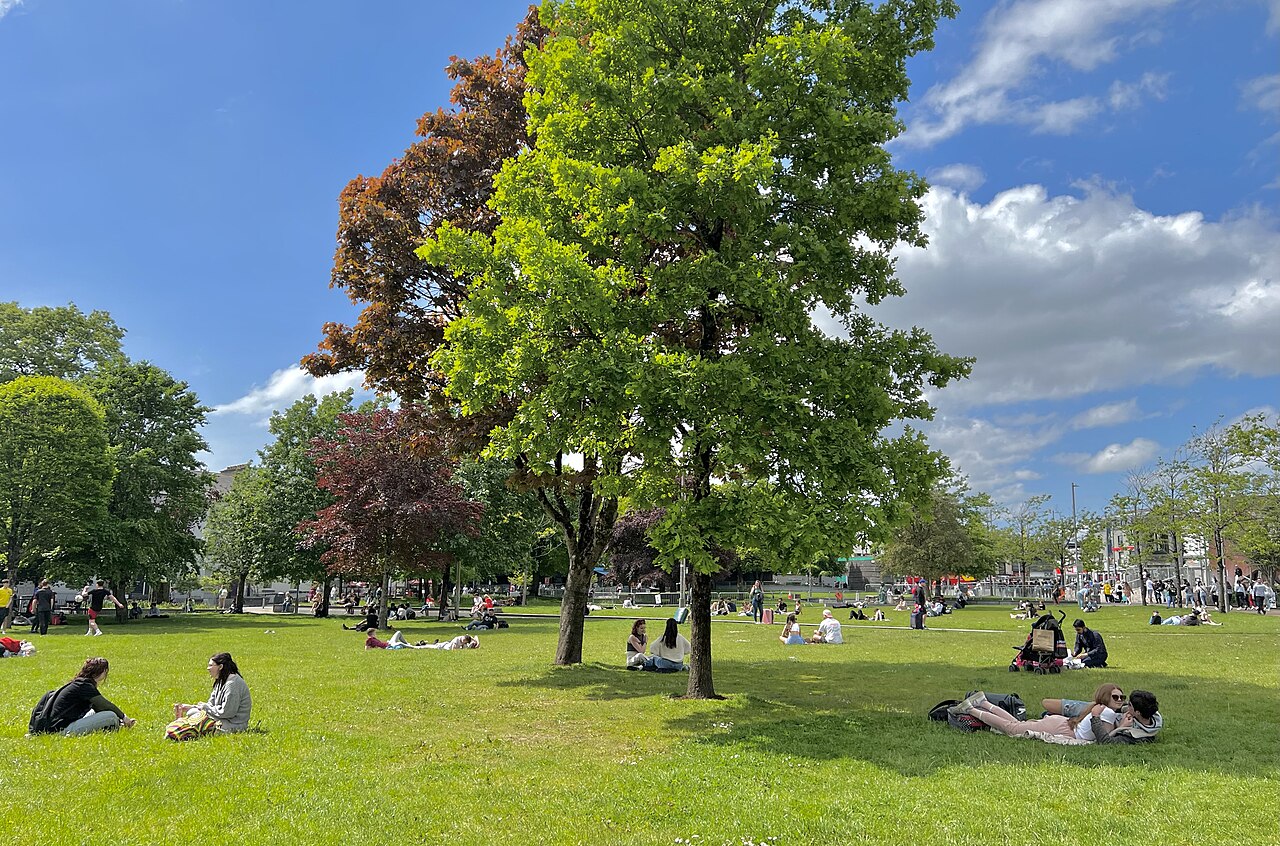
Featured image: Eyre Square, Galway, Ireland 15 May 2022 by Sharon Hahn Darlin, CC BY 2.0, via Wikimedia Commons.
Leave a Reply