
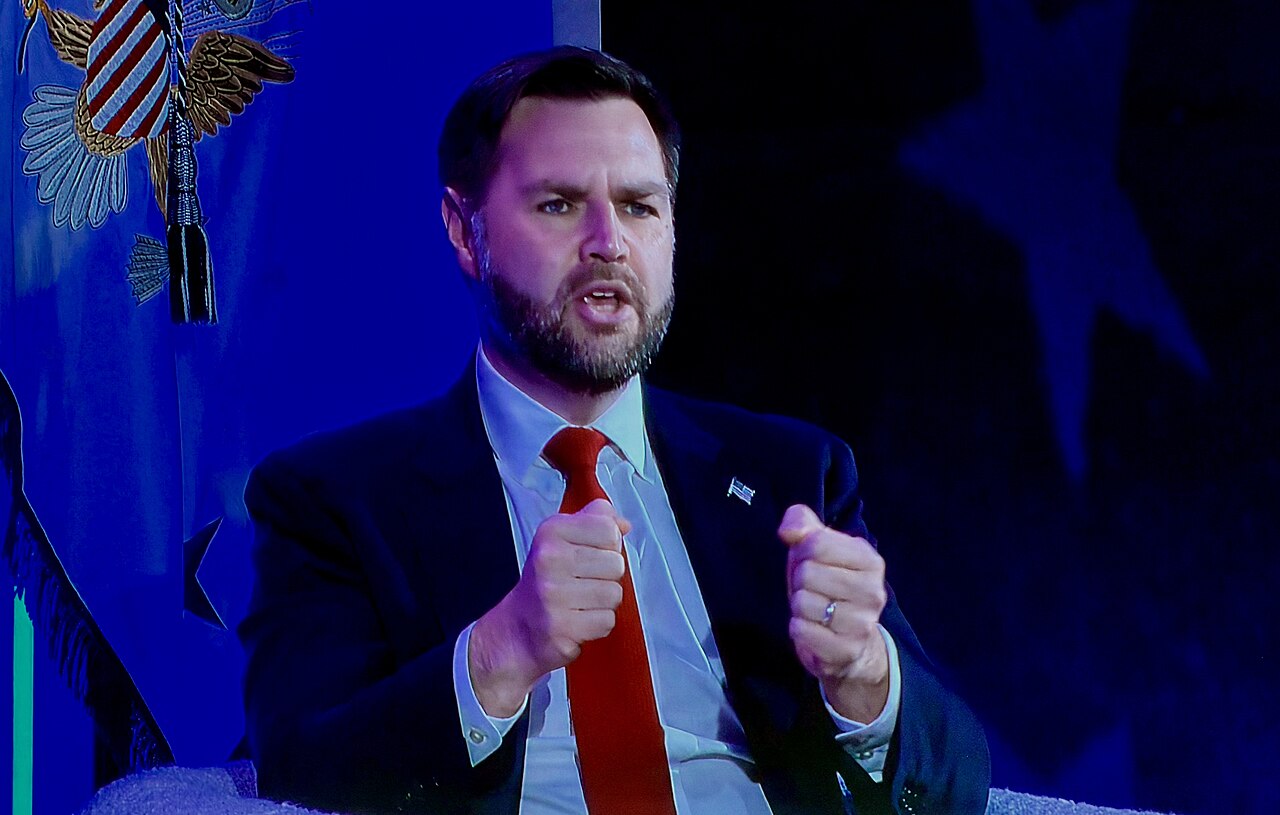
US Vice President JD Vance has written directly to one of Iran’s most senior security officials in an attempt to restart peace talks, according to several American newspapers, even as Washington is reported to have told Gulf allies to brace for a short, intense military campaign against Iran once next Tuesday’s midterm elections are over.
The twin reports, first carried by the Wall Street Journal, have raised the stakes in an eight-month conflict that has already cost US taxpayers an estimated $47.1 billion, according to Pentagon figures obtained by the Associated Press.
What is in the Vance letter
The letter was addressed to Mohsen Rezaei, a former commander in Iran’s Revolutionary Guards who now leads the country’s Supreme National Security Council. It has not been published, and what is known about it comes from US media accounts.
According to the Journal, as summarised by Al Jazeera and AFP, the letter and follow-up contacts focused on a possible framework for negotiations rather than detailed peace terms, and were intended to test whether the two sides could narrow their differences enough to head off renewed US strikes. The New York Times reported that Qatari mediators delivered it on Sunday and that it proposed a meeting soon, with Mr Vance leading the American side.
The Washington Post, cited by Iran International, reported that Mr Vance offered to meet Mr Rezaei in person and told him Washington’s central concern was making sure Iran does not obtain a nuclear weapon, while acknowledging Tehran’s interest in rebuilding an economy battered by war and sanctions. According to that report, he said Iran would need to send representatives empowered to discuss the nuclear programme. Istanbul or Doha are said to be the likeliest venues if talks go ahead, possibly as early as next week.
Who ordered it? Trump and the Journal disagree
One source told the Journal that President Donald Trump directed the outreach. Mr Trump disputed that, telling reporters on Wednesday that Mr Vance brought him the idea and that he told his deputy to proceed as he saw fit, AFP reported. The President has framed the contact partly in humanitarian terms, saying Iran needs help with medical supplies.
Iran has not publicly commented on the letter itself. Foreign Minister Abbas Araghchi said on Wednesday that Tehran continues to give diplomacy a chance, and that it was discussing with mediators how to implement its own seven-day plan to end the war and reopen the Strait of Hormuz. The Post reported that Iranian leaders saw the direct approach as a sign of respect, but showed no sign of softening on the nuclear question.
The warning to the Gulf
The more alarming element is the Journal’s separate report that the US has told several Gulf Arab states to prepare for a possible “short, intense military campaign” against Iran after polling day. The paper said Mr Trump had not made a final decision. He has openly floated the idea of another round of the strikes launched in February under the name Epic Fury.
Axios reported that Qatar-led mediators are pushing for a deal that would give UN inspectors access to bombed Iranian nuclear sites in return for some sanctions relief, in a bid to prevent a return to full-scale war. Saudi officials have urged the White House to allow more time for talks, according to AFP.
Analysts are wary. Ali Vaez of the International Crisis Group told Al Jazeera the risk of renewed strikes was dangerously high, while Marzieh Kouhi Esfahani of Durham University said the likelihood was quite high. Those are assessments, not confirmation of any planned operation.
The bill so far
The latest Central Command estimate, provided to Congress and reported by AP, puts the cost of the war at about $47.1 billion as of 16 October, up $3.5 billion since early September. About $29 billion of that is for replacing munitions, particularly air-defence interceptors such as Patriot and THAAD missiles. The Pentagon lists 21 US service members killed and 865 wounded.
For Irish and European readers, the war’s most direct impact has been on energy. The near-closure of the Strait of Hormuz has driven oil prices sharply higher this year, feeding into fuel and household energy bills across Europe.
What happens next
Mr Rezaei was expected to give a formal reply, according to the Times. If Tehran accepts, a new round of talks, following earlier negotiations in Switzerland in June, could take place within days of the midterms. If it does not, the reported preparations in the Gulf suggest the White House is keeping a military option firmly on the table. Democratic efforts in Congress to end US involvement have so far failed in the Republican-controlled House and Senate, and the outcome of Tuesday’s elections could shape how much room the President has to manoeuvre.
Sources
- Al Jazeera: What we know of Vance’s letter to Rezaei, as Trump warns Gulf to ‘prepare’ (29 October 2026)
- Times of Israel / AFP: Vance reportedly contacted top Iran security official in bid to restart peace talks (29 October 2026)
- Iran International: Vance offers to meet Iran’s Rezaei for talks – Washington Post (29-30 October 2026)
- PBS NewsHour / AP: American taxpayers’ bill for Iran war grows to estimated $47.1 billion (28 October 2026)
- Just Security: Early Edition, October 29, 2026 (29 October 2026)
Featured image: JD Vance at the MAHA Summit (54920086170).jpg by Steve Jurvetson, CC BY 4.0, via Wikimedia Commons.
Leave a Reply