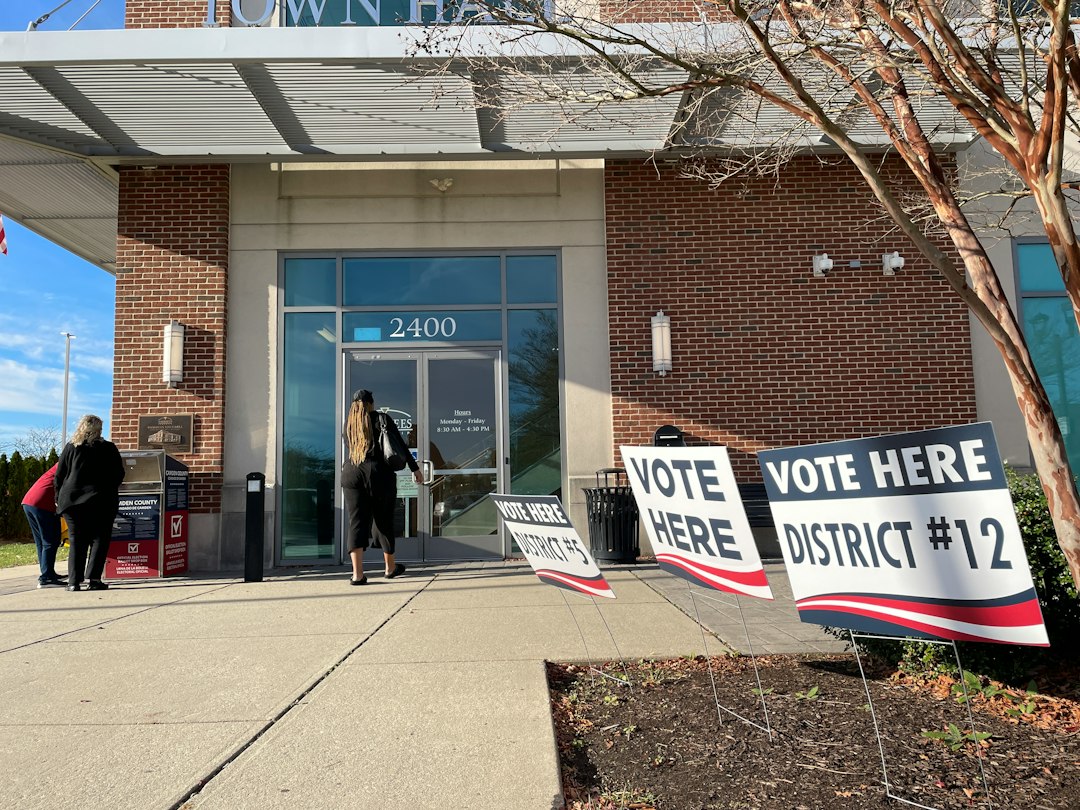
More than 42 million Americans have already voted in next Tuesday’s midterm elections, and the early numbers have one of the country’s leading turnout experts comparing the mood to the Democratic “blue wave” of 2018. But party strategists on both sides warn that early votes are only part of the story.
Figures from the University of Florida Election Lab, which tracks ballots cast in person and by post across the states, showed more than 42 million votes in by Friday, according to Gray Television’s Washington bureau. CBS News, also citing the Election Lab, put the total at more than 44 million on Thursday afternoon, while Newsweek reported more than 43 million, about 10 million higher than at the same stage four years ago. The totals differ because states report at different times, but every count points the same way.
Who is turning out
Michael McDonald, the University of Florida political scientist behind the Election Lab, told Gray that in states that record party registration, registered Democrats made up 44 per cent of early voters against about 31 per cent for registered Republicans. He said Democrats and unaffiliated voters were highly engaged, while registered Republicans were less so, though he expected Republicans to make up some ground on election day itself.
Prof McDonald also pointed to rising early turnout among young voters and minorities, and said this could turn out to be the most diverse midterm electorate in US history. He suggested 2026 could beat the turnout rate of 2018, which he described as the highest for a midterm since 1914.
He was careful to add caveats. Not every state registers voters by party, some states put little emphasis on early voting, and patterns vary widely. Party registration also tells you nothing certain about how someone actually voted.
The state picture
In Texas, where a tight Senate race is under way, more than 6.3 million people had voted by Friday, the last day of early voting, Newsweek reported. By midweek turnout was about 50 per cent above the same point in 2022. Harris County, which includes Houston, set a midterm record for a first day of early voting with more than 127,000 voters, and Dallas County recorded its biggest opening day for any election, the Texas Tribune reported.
READ MORE
- Texas shock on the cards? Paxton and Talarico locked in dead heat as Democrats eye first statewide win in 30 years
- Trump’s approval among worst since Truman as Democrats open 10-point lead days before midterms
- Trump’s Senate nightmare? The 12 knife-edge races that will decide who controls Congress, and what the final polls say
Florida tells a different story. Of the 3.5 million ballots cast there by midweek, registered Republicans held a narrow lead of about 32,000 over registered Democrats, FOX 13 in Tampa reported, again citing Election Lab data. More than 700,000 had been cast by voters registered with no party or a minor party.
Elsewhere, Minneapolis accepted 52,661 early and absentee ballots, beating its previous non-presidential record set in 2018, CBS News reported.
Why it might not mean what it seems
Analysts on both sides urged caution. In Texas, NBC DFW reported, Republican researchers said more than a million reliable Republican voters had yet to vote as of Thursday, and around 40 per cent of Republicans told the Texas Politics Project they planned to vote on election day.
Rice University’s Mark Jones told the Texas Tribune that early voting was an evolving process and warned against over-reading the numbers, while Republican strategist Vinny Minchillo said he was cautiously optimistic after Republicans began turning out in the first days of voting.
Polls of the national picture point the same way as the early vote, though. Democrats lead the national generic ballot by around nine points in Nate Silver’s Silver Bulletin average, Yahoo News reported, while Mr Trump’s approval rating sits at about 37 per cent.
What happens next
Election day is Tuesday 3 November. Most polls close between 7pm and 8pm Eastern time, which means the first results will emerge after midnight in Ireland and many races may not be called until later on Wednesday or beyond, particularly in states that count postal ballots slowly. Prof McDonald has suggested states such as Maine, Iowa, Kansas and Nebraska may cast about a third of their votes early, so the share still to come on election day will be crucial in those close Senate contests.
Sources
- WFLX / Gray DC: More than 42 million Americans have cast early midterm ballots (30 October 2026)
- CBS News: 2026 elections live updates (29-30 October 2026)
- Newsweek: Texas early voting in James Talarico-Ken Paxton Senate race (30 October 2026)
- Texas Tribune: In first week of early voting, 4.5 million Texans cast a ballot (27 October 2026)
- FOX 13 Tampa: Florida early voting analysis: Republicans take narrow lead as 3.5 million cast ballots (28-29 October 2026)
- Yahoo News: The 2026 midterms are days away. Here’s what the latest polls say (26 October 2026)
Featured image: photo by Ernie Journeys on Unsplash.