Intel has suffered one of the most brutal days in its 58-year history. Shares in the American chipmaker fell close to 29% on Friday, a single session that wiped well over $100 billion off its stock market value. The cause was a gloomy sales forecast that went well below Wall Street’s expectations.
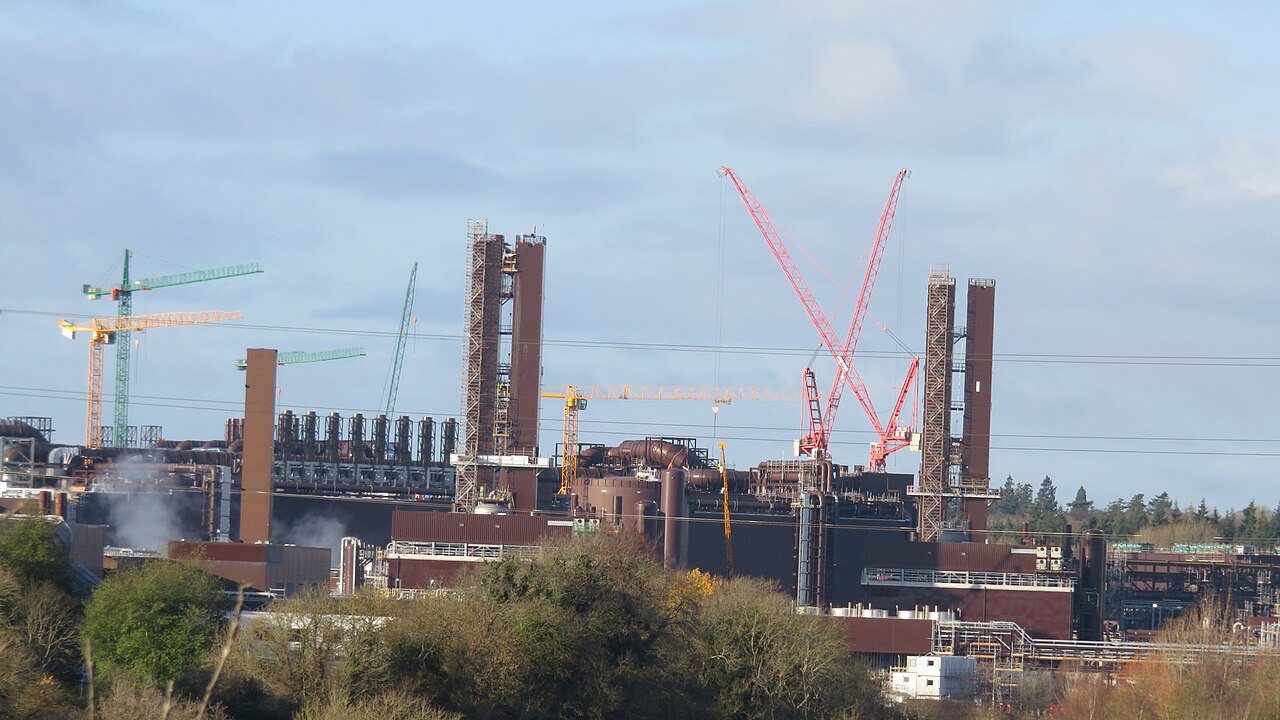
The drop matters well beyond the stock market. Intel’s biggest European manufacturing base is in Leixlip, Co Kildare, where more than 4,900 people work. It also raises a more direct question for anyone shopping for a laptop this winter.
What went wrong for Intel?
On the surface, the company’s third-quarter results looked healthy. Revenue rose 21% year on year to $16.5 billion. Sales in its data-centre and AI division jumped 78% to $7.3 billion. The trouble was the outlook.
Intel told investors it expects fourth-quarter revenue of between $15 billion and $16 billion. Analysts had pencilled in about $17.07 billion, according to LSEG data cited by Reuters. Its adjusted earnings forecast of 25 cents a share was also well short of the roughly 43 cents the market had expected.
The weak spot is personal computers. PC chips made up roughly half of Intel’s third-quarter revenue, and that business shrank 5% to $8.1 billion. Intel now expects it to fall by more than 20% from the previous quarter during the current quarter, Reuters reported. Chief financial officer David Zinsner also said the company does not expect to generate positive cash flow this year.
Chief executive Lip-Bu Tan pointed the finger at memory chips. Memory makers have been shifting production towards the high-bandwidth memory used in AI data centres. That has pushed up the price of ordinary memory for PCs and squeezed demand for new machines. “Memory pricing went up a lot,” Tan told Bloomberg, as reported by The Next Web. He also said an extended factory shutdown in Israel would cut server chip shipments this quarter.
Intel now expects the PC market to shrink by 12% this year and by a further 10% in 2027, according to The Next Web, citing Bloomberg.
READ MORE
- Google owner Alphabet suffers worst day ever as AI spending fears hit Big Tech
- Bitcoin, Ether and XRP slide as record $6.3bn Binance hack shakes crypto markets
- OpenAI-backed Thrive swoops for ADT in shock $15.3bn deal to put AI inside home alarms
A ‘sell first’ mood across tech
The sell-off spread quickly. AMD, Arm, Qualcomm, Nvidia, Broadcom and Micron all fell by between 2% and 10% on Friday, according to Reuters. Server makers Dell, Hewlett Packard Enterprise and Super Micro Computer dropped by 6% to 10%. In Europe, Dutch chip equipment giant ASML fell 4.6% and the STOXX Europe 600 technology index lost 2%.
Hargreaves Lansdown analyst Matt Britzman summed it up to Reuters: the market was in a “sell first, ask questions later” mood. The Nasdaq Composite had its biggest one-day fall since June, rounding off a bruising October for technology shares as investors grew nervous about the huge sums being spent on AI.
The scale of the move is all the more striking because Intel’s shares had more than doubled this year on bets that it would benefit from the AI boom. They closed on Friday at $65.76, down from $92.07 the day before, according to CoinCentral’s market data. The US government took a 9.9% stake in Intel last year, and on paper that stake lost more than $11 billion in a day. It is still worth well over three times what Washington paid.
What it means for Leixlip and for you
For Ireland, the detail that stands out is which part of Intel is doing well. In July, Intel announced a €5 billion investment at Leixlip to scale up production of its Xeon server processors on its Intel 3 manufacturing process. Business & Finance reported that the money is aimed at demand for AI and high-performance computing. That is the data-centre side of the business, the part that grew 78% last quarter, not the struggling PC side.
Intel has made no announcement about Irish jobs or the Leixlip project in connection with this week’s results, and there is nothing in the coverage to suggest any change. Still, Kildare will be watching closely as a company that has invested more than €30 billion in Ireland since 1989 comes under fresh pressure.
For shoppers, the message is less comforting. The same memory squeeze that hit Intel has been pushing up the cost of laptops and desktops, and the chipmaker’s own finance chief expects the PC slowdown to last at least through the first half of next year. If you are planning to replace a computer, Black Friday deals may matter more than usual. Do not count on prices falling quickly.
What happens next
Investors will be watching whether Intel can make enough of its profitable Xeon server chips to offset the PC slump. Zacks Investment Management strategist Brian Mulberry told Reuters this will be a key test. The memory price crunch is the other big unknown. Tan has warned that it could become a very severe problem for the whole industry in 2027. Intel’s next quarterly results are due early next year, and any update on the Israeli plant or memory supply before then could move the shares again.
This article is for information only and is not financial advice.
Sources
- The Star (Reuters): Intel on course for worst day ever, triggers global chip rout (30 October 2026)
- The Star (Reuters): October ends with a thud for Intel, Reddit, AI stalwarts (31 October 2026)
- The Next Web: Intel shares sink as memory shortage drags its PC chip outlook (29 October 2026)
- CoinCentral: Why Intel (INTC) stock crashed 29% on Friday (31 October 2026)
- Business & Finance: FDI of the Month, Intel invests €5bn at its Leixlip campus (23 July 2026)
Featured image: Intel-3338, Leixlip, Co. Kildare, Ireland by Leimanbhradain, CC BY-SA 4.0, via Wikimedia Commons.