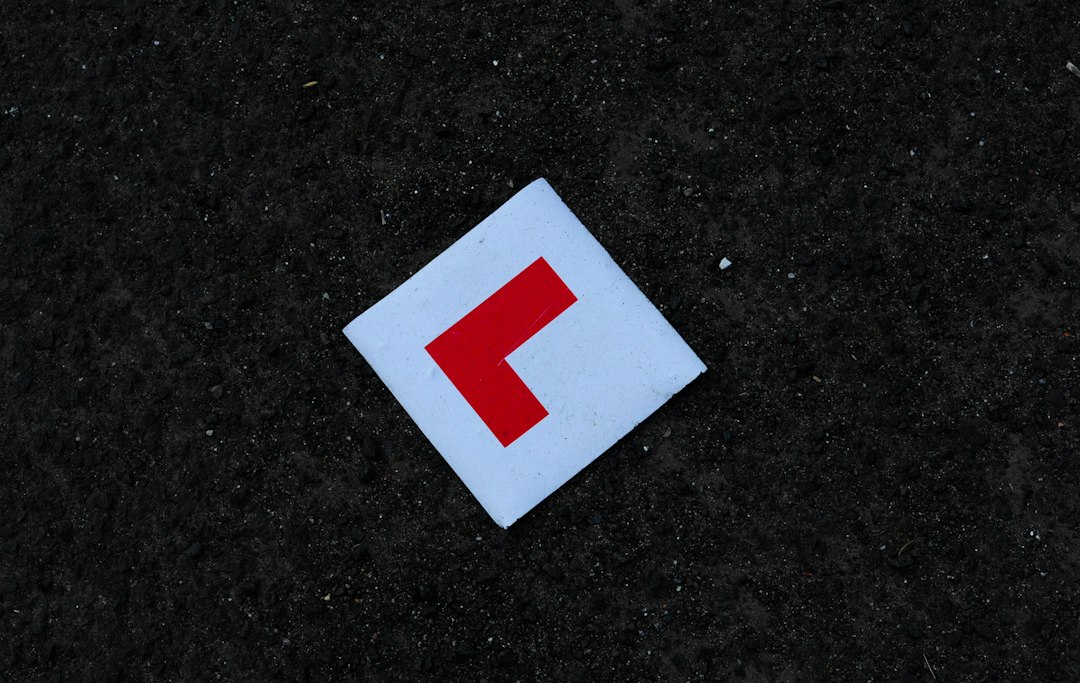
The days of driving on learner permit after learner permit without ever sitting a test are coming to an end. New rules come into force on Sunday 1 November that will force tens of thousands of long-term learners to take their driving test – or go back to square one.
The change has been years in the making. Similar proposals were first floated in 2019 but were shelved because of the pandemic backlog in driving tests, the Irish Examiner reports. The regulations were announced last November and the Department of Transport confirmed on Friday that they take effect as planned.
What changes on Sunday
According to the Road Safety Authority (RSA), first and second learner permits are not affected. The big shift comes after that:
- Third permit: once you have been on permits for four years, you can only get a third one if you have actually taken a driving test in that category within the previous two years. Simply booking or applying for a test is no longer enough.
- Fourth permit: after six years on permits, the same test requirement applies, and the fourth permit lasts just one year instead of two.
- No fifth permit: after seven years or four permits, you cannot renew again. You must restart the whole learning process.
Starting over means passing the theory test again, getting a new permit treated as a first permit, waiting six months, completing all 12 Essential Driver Training lessons and then passing the practical test, the RSA says. Reduced EDT is not available a second time.
Crucially, the RSA says the test must actually take place to count. It says it cannot make exceptions, even where a test is cancelled, though it will prioritise rebooking. The medical exemption from taking a test at renewal has also gone, although learners who are medically restricted are exempt from the four-permit cap.
Who is caught by the crackdown
The numbers are striking. Around 380,000 people hold learner permits in Ireland, and more than 70,000 have held three or more, according to RSA figures reported by the Irish Examiner. More than 12,000 drivers have renewed their permit 11 times or more. Most multiple-permit holders – about 80% – are aged 17 to 39, while around 2.5% are 60 or older.
READ MORE
- ROAD TO NOWHERE NO MORE: Galway City Ring Road finally gets the green light after more than 20 years of delays
- Connemara bus boost: EIGHT extra Route 424 services kick in for packed Spiddal and Carraroe commuters – plus every other public transport change this month
RTÉ reported earlier this month that driving instructors were seeing more older learners come forward as the deadline approached, with one instructor saying the longest she had seen someone on a permit was 18 years.
If your current permit is a second or later permit and it expires after 1 November, you will need to have sat a test before you can get another one, the RSA says. If a permit runs out without a test, you must stop driving.
Why now – and the waiting list worry
The Government says the change is about road safety and getting unaccompanied learners off the roads. Gardaí had recorded 155 road deaths this year as of Friday, the Irish Examiner reported, with fatalities heading towards a decade high.
Transport Minister Darragh O’Brien said road safety is a shared responsibility, while Minister of State Seán Canney stressed that “a learner permit is not a driving licence”. The RSA’s chief operating officer Brendan Walsh told RTÉ that people who book a test purely to secure a renewal are a problem that society can no longer tolerate.
But there are concerns about capacity. Fine Gael TD Michael Murphy, who chairs the Oireachtas transport committee, welcomed the changes but asked what is being done to increase test capacity. The RSA says national waiting times are currently around 10 to 12 weeks, longer at some centres, and it expects them to rise as the new rules bite.
What happens next
The rules apply from Sunday. Learners should check the expiry date and number of their current permit now, and anyone on a second or later permit should book a test early to allow for waiting times. The RSA advises those with questions about their own situation to contact the NDLS. The impact on test waiting lists – and on road deaths – will be watched closely in the months ahead.
Sources
- Irish Examiner: Laws around learner drivers will get tighter this weekend (30 October 2026)
- Road Safety Authority: Multiple learner permits (accessed 30 October 2026)
- Department of Transport: Regulations to encourage learner drivers to complete the licensing process come into effect (30 October 2026)
- RTÉ: RSA urges learner drivers to be aware of new permit rules (9 October 2026)
Featured image: photo by Chloë Forbes-Kindlen on Unsplash.